

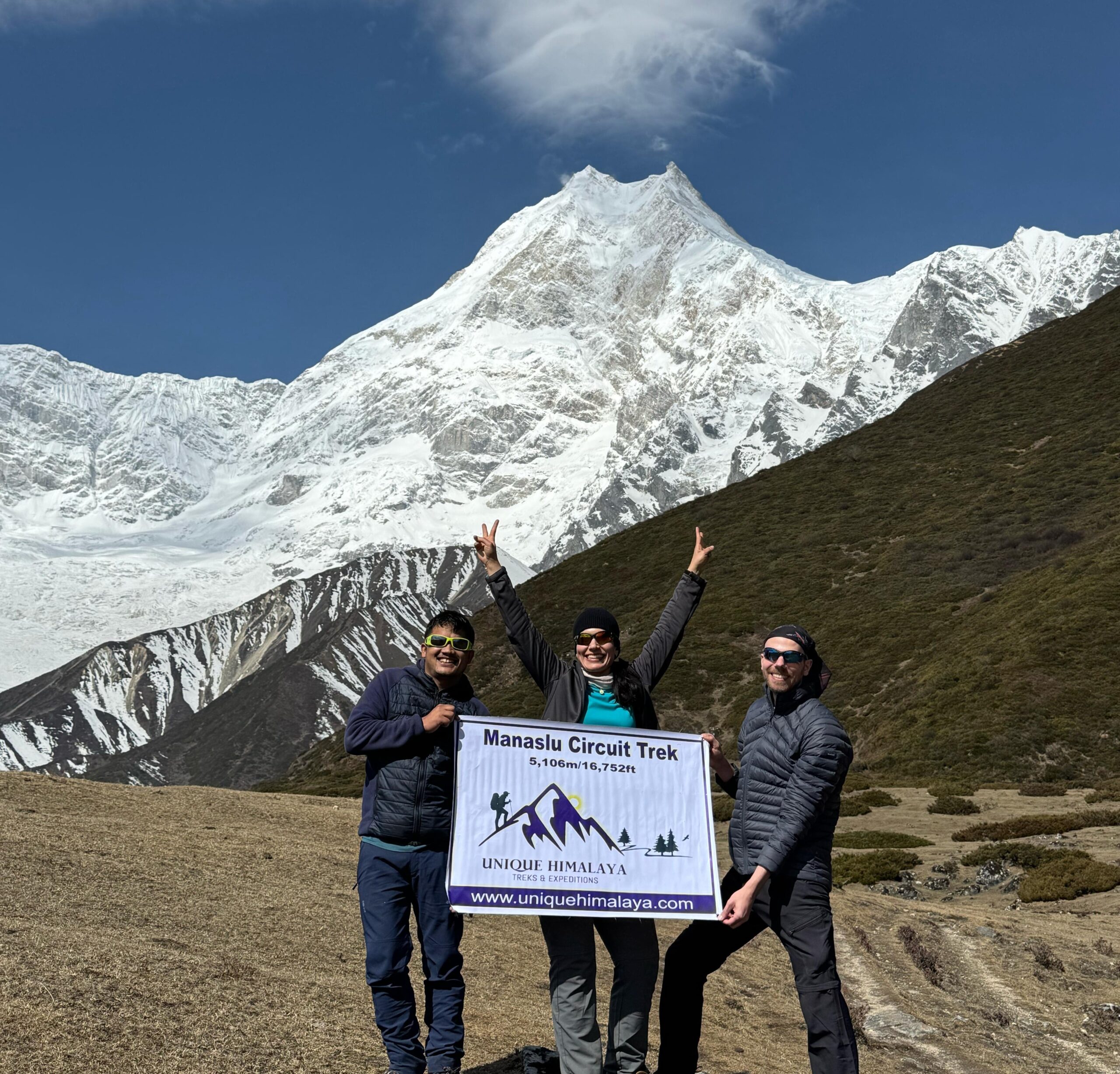
Manaslu Circuit Trek: The Ultimate Guide to Nepal’s Hidden Gem

The Manaslu Circuit Trek is one of Nepal’s best-kept secrets a stunning Himalayan journey that rivals the Annapurna and Everest regions but with far fewer crowds. This off-the-beaten-path adventure takes you around Mt. Manaslu (8,163 m), the world’s 8th highest peak, blending wild beauty, Tibetan culture, and raw Himalayan grandeur.

If you’re looking for remote trails, authentic villages, and a challenging but unforgettable trek, Manaslu delivers.

Quick Trek Overview

  • Region: Gorkha District, Manaslu Conservation Area
  • Highest Point: Larkya La Pass – 5,160 m (16,929 ft)
  • Duration: 13–17 days
  • Difficulty: Moderate to challenging
  • Trek Type: Teahouse (basic lodges)
  • Permit Required: Yes (more below)
  • Best Time: March–May & Sept–Nov

Why Trek the Manaslu Circuit?

Less Crowded, More Authentic

Unlike Annapurna or Everest, Manaslu sees only a few thousand trekkers a year. You’ll experience traditional Tibetan Buddhist villages, ancient mani walls, and yak pastures —

all without the tourist buzz.

Jaw-Dropping Views

Highlights include views of Manaslu, Himalchuli, Ganesh Himal, and Ngadi Chuli, plus glaciers, waterfalls, and high mountain passes.

Cultural Immersion

Trek through Gurung, Tibetan, and Bhotia communities. You’ll pass prayer wheels, chortens, and remote monasteries rarely seen by mainstream tourists.

Permits and Requirements

Required Permits:

  • September to November: USD 100 per person per week, plus USD 15 per person per day beyond the first week.
  • December to August: USD 75 per person per week, plus USD 10 per person per day beyond the first week.
  • Manaslu Conservation Area Permit (MCAP):
  • Foreigners: NPR 3,000 (approximately USD 25).
  • SAARC Nationals: NPR 1,000 (approximately USD 8).
  • Annapurna Conservation Area Permit (ACAP):
  • Foreigners: NPR 3,000 (approximately USD 25).
  • SAARC Nationals: NPR 1,000 (approximately USD 8).
  • TIMS Card (Trekkers’ Information Management System):
  • USD 20 for independent trekkers.

Important Considerations:
Nationality:

Permit costs vary based on your nationality, with SAARC nationals often receiving discounted rates.
Agency:
You must obtain the RAP through a registered trekking agency.
Duration:
The permit fees for the Restricted Area are calculated based on the duration of your trek.
Tsum Valley:
If you plan to include the Tsum Valley, you will need an additional permit (USD 40 per person for the first 8 days, then USD 7 per day).
Seasonal Variations:
The RAP cost can vary based on the season, with higher fees in the peak trekking months.

Note: A licensed guide is mandatory, and you must be in a group of 2 or more (or hire a second “ghost permit” if solo).

Accommodation & Food

  • Teahouses are available at every village, though simpler and more rustic than on the Annapurna Circuit.
  • Rooms: Twin-sharing with basic beds and blankets
  • Meals: Dal bhat, fried rice, noodle soup, momos, Tibetan bread, porridge
  • Showers & charging: Limited. Higher up, expect cold bucket washes and solar-powered charging (for a fee).

What to Pack

Essentials:

  • Down jacket & sleeping bag (-10°C rating)
  • Waterproof trekking boots (broken in)
  • Layers: base layers, fleece, shell
  • Hat, gloves, sunglasses, sunscreen
  • Trekking poles (especially for Larkya La)
  • Water filter/tablets
  • Headlamp, power bank, toilet paper
  • Tip: Porters carry max 15–18 kg. Pack light, but smart.

Difficulty & Fitness Level

  • The Manaslu Circuit is moderately to highly challenging, especially due to:
  • Long trekking days (6–8 hrs)
  • Steep ascents and descents
  • Cold nights at high altitude
  • Larkya La Pass — a 5,100+ m crossing that can involve snow and wind

Recommended:

  • Train for cardio + strength 6–8 weeks prior
  • Acclimatize properly — don’t skip rest days

Altitude & Safety

  • Symptoms of AMS may start around Samagaon (3,500m). To avoid:
  • Take acclimatization hikes (e.g. Manaslu Base Camp)
  • Stay hydrated
  • Ascend slowly
  • Consider Diamox (consult your doctor)
  • Be prepared to descend if needed

Getting There & Back

  • Start Point: Drive (7–9 hrs) from Kathmandu to Soti Khola or Arughat
  • End Point: Trek ends at Dharapani, connect to Besisahar, and drive back to Kathmandu
  • Jeep roads can be rough — start early and expect bumps!

Cost Breakdown (Approx. USD)

Category Budget Range

Permits (all required) $160–200
Guide & Porter (14 days) $300–500
Transportation (RT) $80–120
Food & Lodging (daily) $25–35/day
Gear (if renting) $100–200

➡️ Total estimate: $900–1,400 for 14–16 days

Best Time to Trek

Season Pros Cons

  • Spring (Mar–May) Rhododendron blooms, clear skies Can be busy in lower regions
  • Autumn (Sep–Nov) Best views, stable weather Cold nights start in Nov
  • Winter (Dec–Feb) Quiet trails, snowy peaks Larkya La often closed
  • Monsoon (Jun–Aug) Lush landscapes, fewer trekkers Landslides, leeches, poor visibility

Tips for First-Timers

  • Bring extra cash – No ATMs after Arughat
  • Download offline maps (Maps.me or Gaia GPS)
  • Start early mornings to avoid afternoon winds
  • Carry passport photos for permits
  • Respect local customs and dress modestly
  • Don’t underestimate altitude – rest if you need to!

Final Thoughts

The Manaslu Circuit Trek is wild, remote, and deeply rewarding. It’s perfect for adventurers looking for authentic culture, epic Himalayan views, and a less commercial trekking experience.

Fewer crowds, bigger mountains, and more heart —

that’s the Manaslu magic.
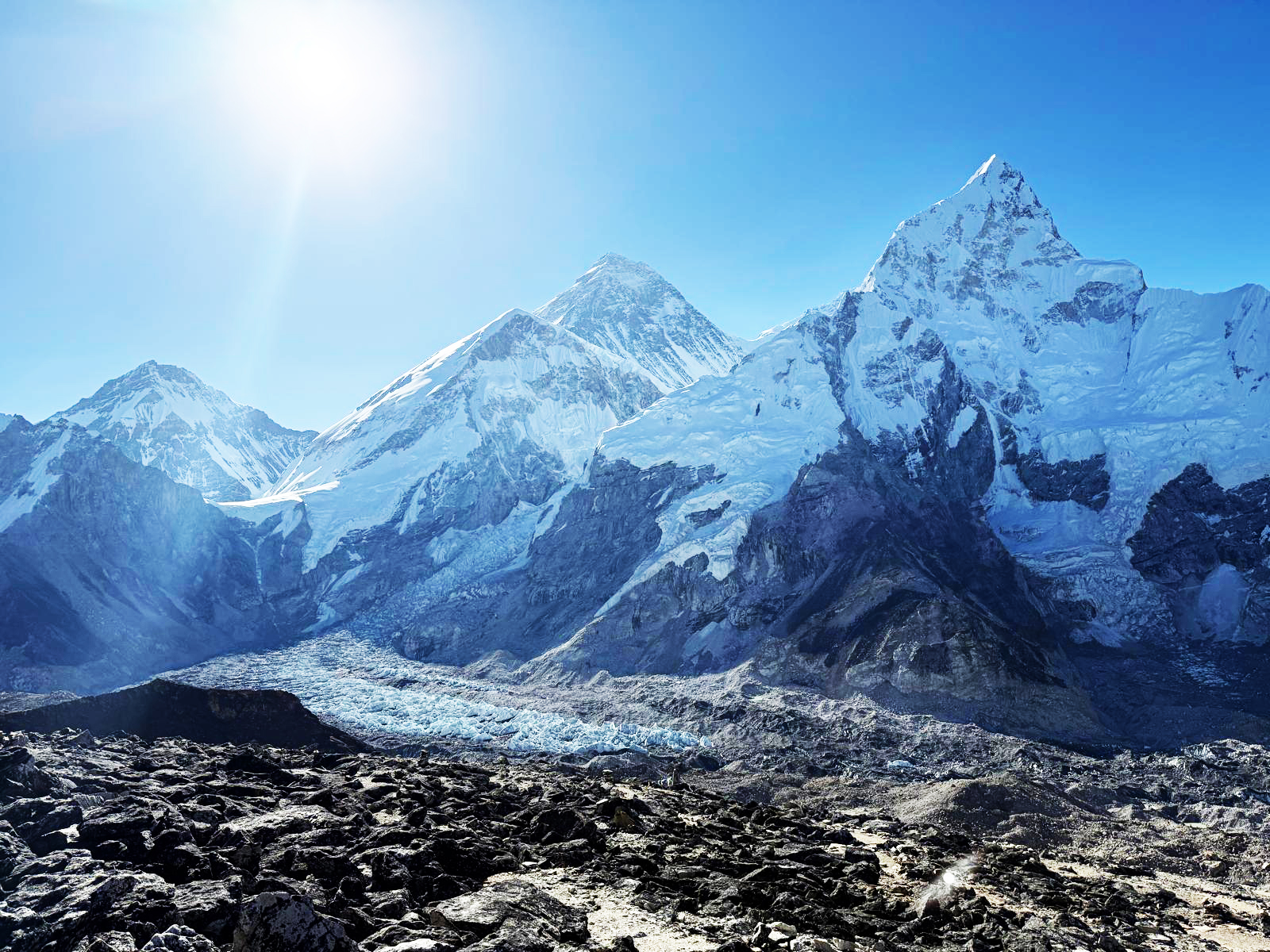
Altitude Sickness in the Himalayas: Myths, Facts, and How to Stay Safe

Trekking in the Himalayas is the adventure of a lifetime, but altitude sickness can quickly turn your dream into a dangerous ordeal. Whether you’re heading to Everest Base Camp, the Annapurna Circuit, or a lesser-known trail, understanding altitude sickness is critical.

This guide clears up common myths, shares essential facts, and gives you the tools to stay safe above 2,500 meters.


What Is Altitude Sickness?

Altitude Sickness, also called Acute Mountain Sickness (AMS), is a reaction to the reduced oxygen levels found at high elevations. It typically begins above 2,500 meters (8,200 feet) and affects people regardless of age, gender, or fitness level.

Common Symptoms of AMS:

  • Headache (most common early sign)
  • Nausea or loss of appetite
  • Fatigue or weakness
  • Dizziness or light-headedness
  • Difficulty sleeping

Myths vs. Facts

❌ Myth 1: “I’m fit, I won’t get altitude sickness.”

✅ Fact: AMS can affect anyone, regardless of fitness. Elite athletes are just as susceptible as casual hikers. Fitness helps with the trek, but not with oxygen adaptation.


❌ Myth 2: “You can just power through it.”

✅ Fact: Ignoring symptoms and continuing to ascend can lead to life-threatening conditions like:

  • HAPE (High Altitude Pulmonary Edema): fluid in the lungs
  • HACE (High Altitude Cerebral Edema): swelling in the brain

Both require immediate descent and medical attention.


❌ Myth 3: “Diamox cures altitude sickness.”

✅ Fact: Diamox (Acetazolamide) doesn’t cure AMS — it helps your body acclimatize faster. It’s most effective when taken before symptoms start, not after they appear.


❌ Myth 4: “You can acclimatize in a day or two.”

✅ Fact: Acclimatization takes time. Proper rest days at elevation are essential. The body typically adjusts at a rate of 300–500 meters per day above 3,000m.


How to Prevent Altitude Sickness

1. Go Slow

  • Ascend gradually. Don’t gain more than 500 meters of sleeping altitude per day above 3,000m.
  • Take a rest day every 2–3 days of climbing.

2. Stay Hydrated

  • Drink at least 3–4 liters of water per day
  • Avoid excessive alcohol and caffeine, which can dehydrate you.

3. Consider Diamox

  • Take 125–250 mg twice daily (consult your doctor before your trip)
  • Start a day before ascent and continue until you descend

4. Eat Light and Often

  • High-carb meals give your body energy to adjust to thinner air.
  • Avoid heavy, fatty meals and alcohol.

5. Listen to Your Body

  • Headache? Fatigue? Don’t push.
  • Don’t sleep through symptoms — monitor how you feel regularly.

What to Do If You Get AMS

Mild Symptoms:

  • Stay at current altitude until symptoms improve.
  • Rest, hydrate, and monitor.
  • If symptoms worsen or don’t improve after 24 hours — descend immediately.
  • Severe Symptoms (HAPE or HACE):
  • Immediate descent is the only treatment
  • Oxygen and evacuation (helicopter) may be necessary
  • Get professional medical help

Travel insurance that covers high-altitude trekking and emergency rescue is essential.


Where Does AMS Commonly Strike?

Some high-risk points on popular Himalayan treks: Trek Altitude Where AMS Begins

  • Everest Base Camp 3,400 m (Namche Bazaar) onward
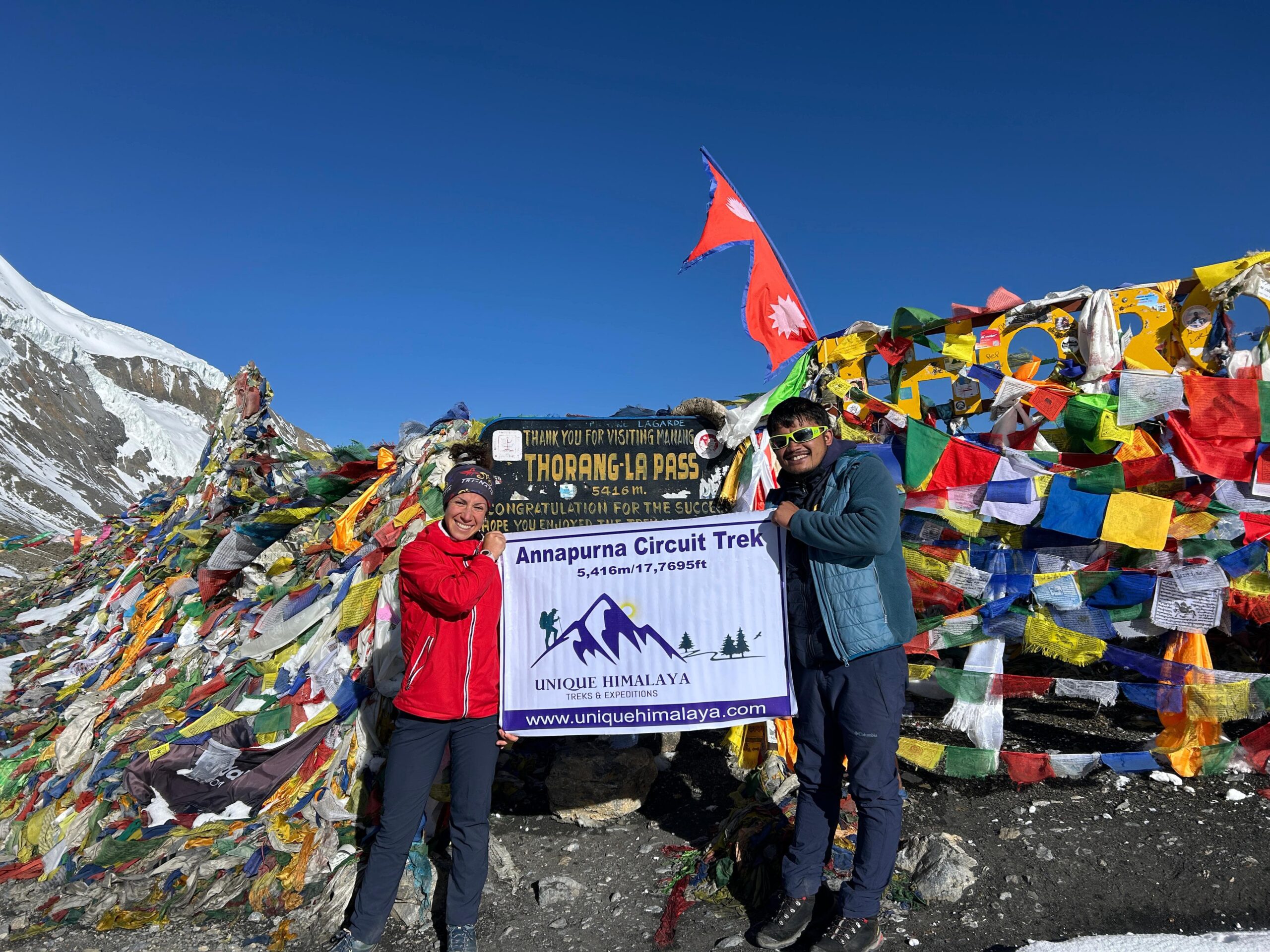
  • Annapurna Circuit 3,500 m (Manang), Thorong La (5,416 m)
  • Langtang Valley 3,800 m (Kyanjin Gompa)
  • Gokyo Lakes 4,700 m (Gokyo Village)
  • Mera Peak/Island Peak 5,000 m+ (High camps)

Essential Gear for High Altitudes

  • Oximeter – to monitor oxygen saturation
  • Thermal layers – cold increases AMS risk
  • Water purification – to stay hydrated safely
  • Sleeping bag rated to -10°C or lower
  • Travel insurance with heli-evac coverage

Final Thoughts

Altitude sickness is serious, but it’s also avoidable with knowledge and preparation. Don’t let fear stop you — just respect the mountains, listen to your body, and never rush.

If you treat altitude with the seriousness it deserves, you’ll enjoy the breathtaking beauty of the Himalayas safely.


Would you like a printable version, infographic, or checklist of AMS symptoms and prevention tips for your trek? I can make one for you.

Beginner’s Guide to Annapurna Circuit Trek: What You Need to Know

The Annapurna Circuit is one of the most iconic trekking routes in the world, taking you through lush subtropical forests, high mountain passes, and charming Himalayan villages. If you’re new to trekking in Nepal or multi-day hikes in general, this guide will help you prepare for the adventure of a lifetime.

Overview of the Annapurna Circuit

  • Location: Central Nepal
  • Duration: 12–20 days (depending on route and pace)
  • Distance: 160–230 km (99–143 miles)
  • Highest Point: Thorong La Pass (5,416 m / 17,769 ft)
  • Best Time to Trek:
  • Spring: March–May
  • Autumn: September–November

What to Pack

Essentials:

  • Trekking boots (well broken-in)
  • Base layers (thermal tops & bottoms)
  • Insulating layer (fleece or down jacket)
  • Waterproof jacket and pants
  • Gloves, hat, and buff/scarf
  • Trekking poles
  • Headlamp with extra batteries
  • Sleeping bag (rated to at least -10°C/14°F)
  • Backpack (30–50L for personal gear)
  • Daypack or dry bags for organizing
  • Other items:
  • Reusable water bottles or hydration bladder
  • Water purification (tabs, UV purifier)
  • First-aid kit and altitude meds (Diamox)
  • Toiletries and sunscreen
  • Snacks and energy bars

Accommodation and Food

  • Teahouses: Local lodges offering basic rooms and meals
  • Facilities: Shared bathrooms, simple beds, and blankets (but bring your own sleeping bag)
  • Meals: Dal Bhat (lentil soup & rice), momos, noodles, pasta, tea, and coffee
  1. Pro tip: Food gets more expensive the higher you go bring some highcalorie snacks.
    Tips for First-Timers
  • Acclimatize properly: Don’t rush. Spend extra days at altitude to avoid AMS (acute mountain sickness).
  • Stay hydrated: Drink at least 3–4 liters per day.
  • Start early: Mornings are clearer, and weather worsens in the afternoon.
  • Respect the culture: Dress modestly and ask before taking photos of locals.
  • Travel insurance: Make sure it covers trekking above 5,000 m and helicopter evacuation.

Permits Required

You’ll need two main permits:

  1. TIMS Card (Trekkers’ Information Management System)
  2. ACAP Permit (Annapurna Conservation Area Project

Both can be obtained in Kathmandu or Pokhara before your trek.

Getting There

  • To Start: Take a bus or jeep from Kathmandu or Pokhara to Besisahar.
  • To End: Return from Jomsom or Tatopani to Pokhara (by flight, jeep, or bus).

Trekking Independently vs. Guided

Independent:

  • Cheaper and flexible
  • Requires good planning and navigation
  • With a Guide/Porter:
  • Easier logistics and local insights
  • Helpful for language, safety, and cultural understanding
  • If it’s your first multi-day trek or you’re concerned about altitude, consider hiring a guide.

Final Thoughts

The Annapurna Circuit is a challenging but deeply rewarding trek — a blend of raw nature, ancient culture, and unforgettable scenery. With the right preparation and mindset, even beginners can tackle this Himalayan gem.