
Everest Region
Island Peak Climbing
19 Days/18 Nights
Group Size N/A
Price From

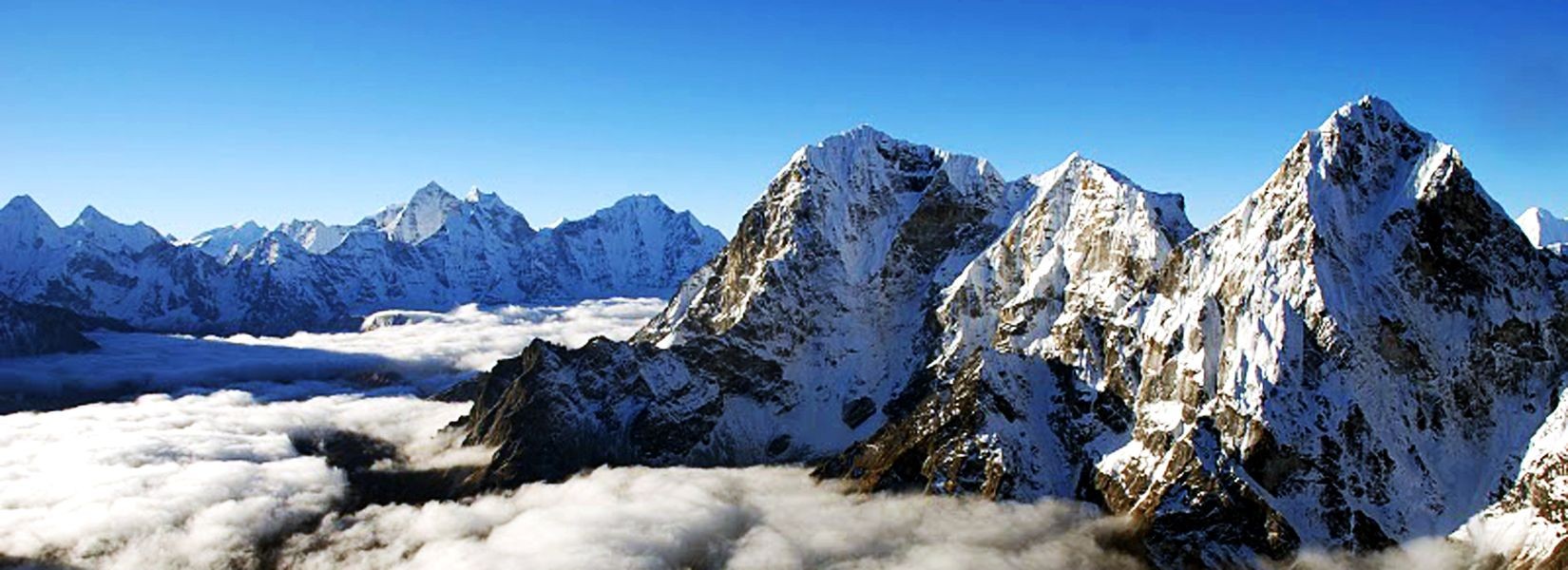
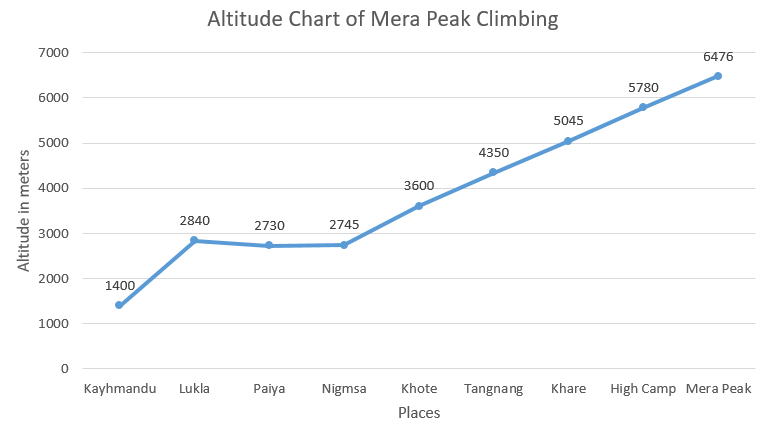
Mera Peak Climbing is a high Himalayan climbing journey, next to Everest, into a world where nineteen plus peaks above 7,000-8000 meters+ surround your summit. Mera Peak base camp sits around 5,300 meters. Already higher than any peak in the European Alps. Mera sits in eastern Nepal’s Hinku Valley. Mera North sits slightly lower at 6,476 meters. Mera South reaches 6,065 meters. target Mera Central for the full altitude experience and the best panoramic views. The technical difficulty of Mera stays moderate by Himalayan climbing standards The count exceeds twenty major summits, depending on visibility conditions, with 5 legendary Himalayas of 8000m+.
Traditional, ancient, and raw high-altitude life continues here much as it has for centuries. Sherpa villages dot the lower sections. The culture shifts as you climb. The remoteness keeps numbers manageable. The solitude adds something that crowded summits lose. The Everest family shows up in full strength from the Mera summit.
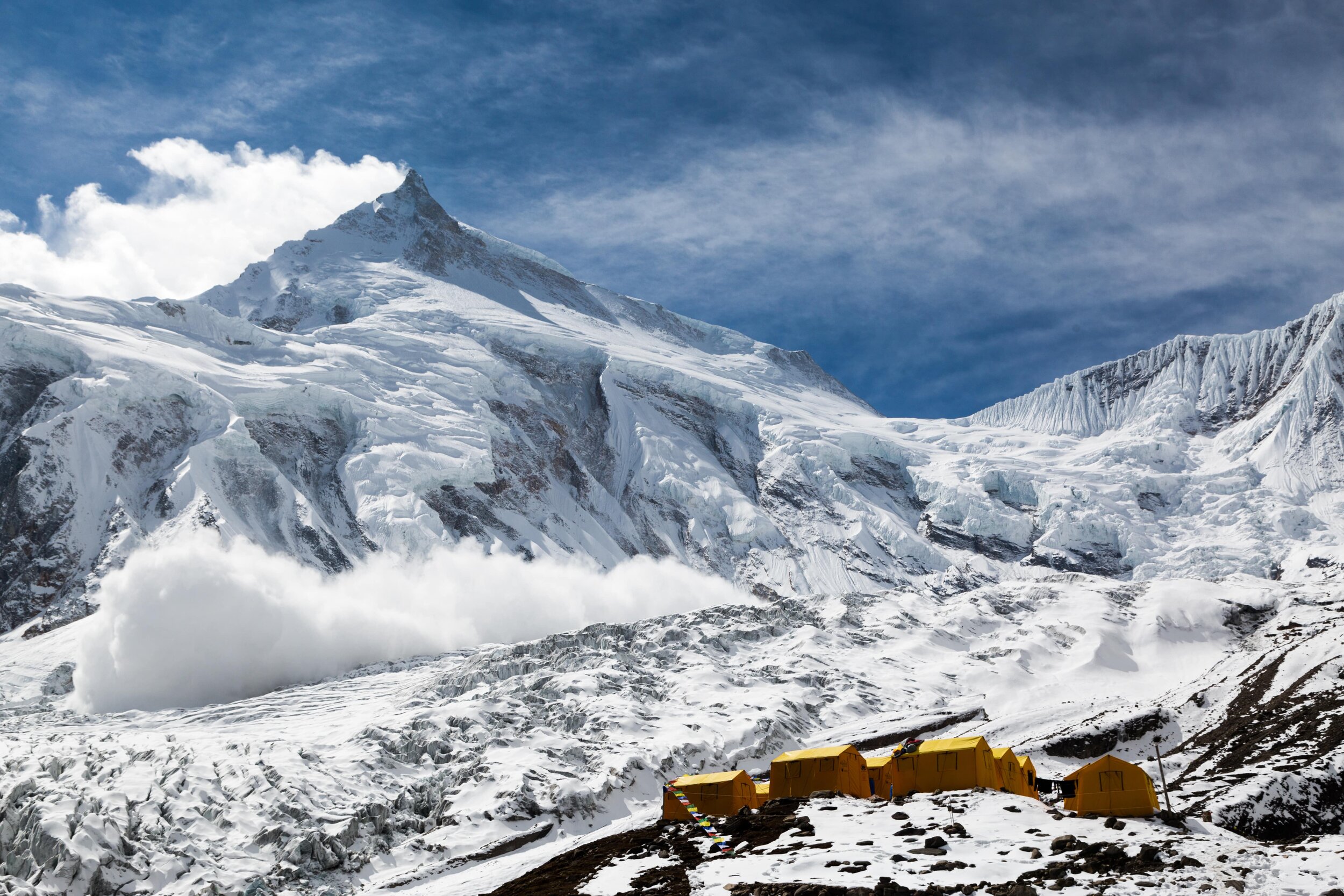
Surrounding 20+ peaks of 6000-8000m+ peaks create an amphitheater of impossible scale. Mera Glacier covers the upper mountain in a thick ice cap. The climbing route to Mera Peak follows glaciated terrain. Crevasse fields require roped travel. For those who feel the pull toward high places, Mera Peak climbing offers something genuinely rare. Access to the throne room of the Himalayan gods. A standing point among the highest peaks on Earth.
The question is whether you’re ready to find out for yourself what happens when you enter the high dimension of the Himalayas and see the world from where the highest mountains on Earth live.
The raw Himalayan energy vibrates at high frequency through the ancient Himalayas themselves. The mountains themselves hold sacred and spiritual status in Buddhist and Hindu traditions. The high Himalayan realm runs on different rules than lowland existence.
Standing on Mera summit, you understand why people find divinity in high places. These high Himalayan peaks are formed from unimaginable forces. Climbers feel something up there that lowland life never provides. The energy at these altitudes feels different, which holds calm and healing properties. Call it high frequency of energy. Call it vibration.
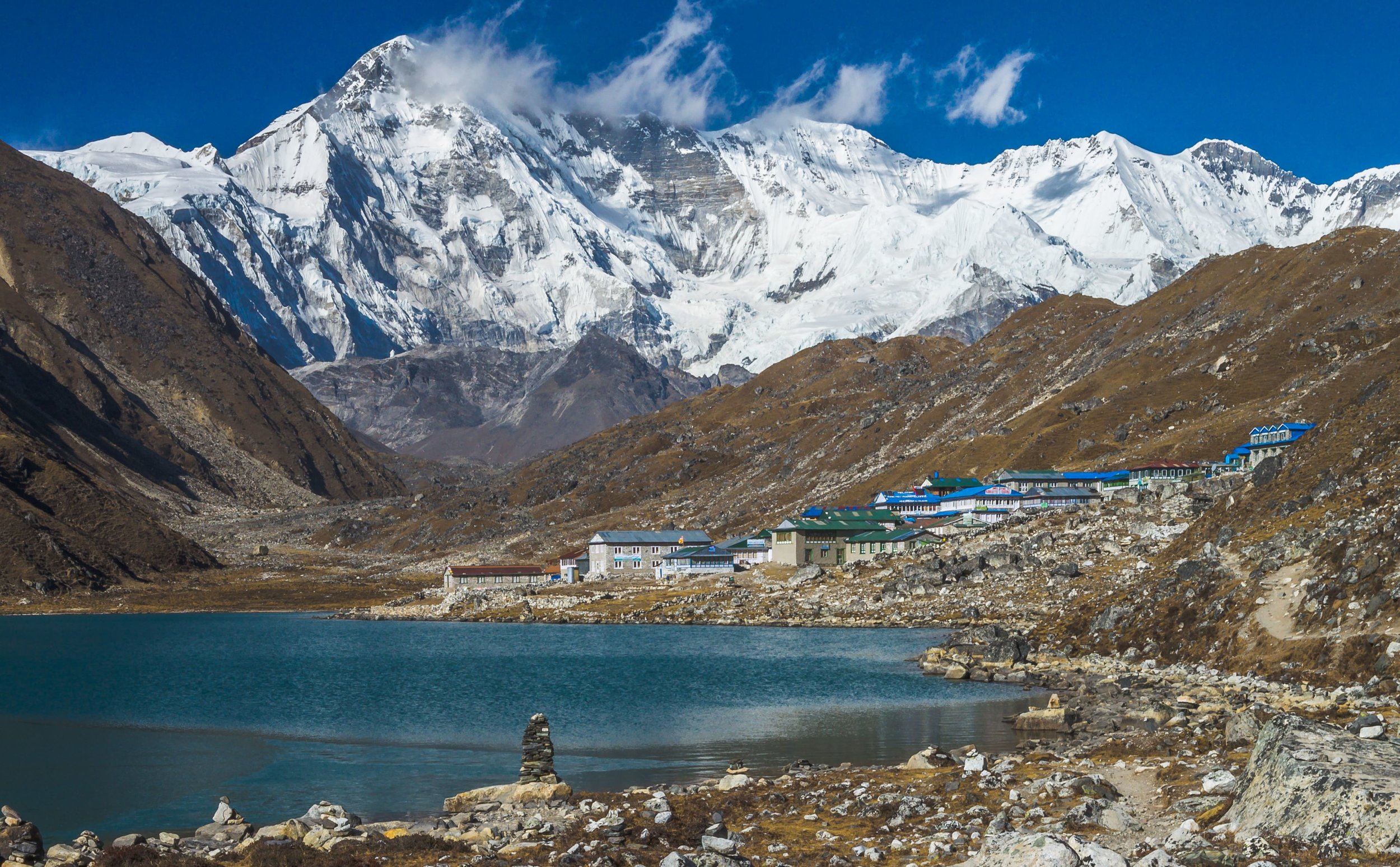
The Himalayas are not scenery. They’re living geological forces. The glacial systems here are ancient and massive. This route shows you dozens of Himalayan giants in a single slow turn of your head. The Hinku is a textbook U-shaped valley with lateral moraines forming natural balconies and a central glacier flowing off Mera’s broad dome.
Ancient mountain villages like Lukla to Paiya, and Panggom are all spine-walking ridges with views into deep, V-shaped valleys. The landscape changes from tropical lush forest to high alpine Himalayan terrain, surrounded by the world’s highest Himalayas everywhere. You feel like entering a higher dimension of the spiritual and the world’s highest Himalayas.
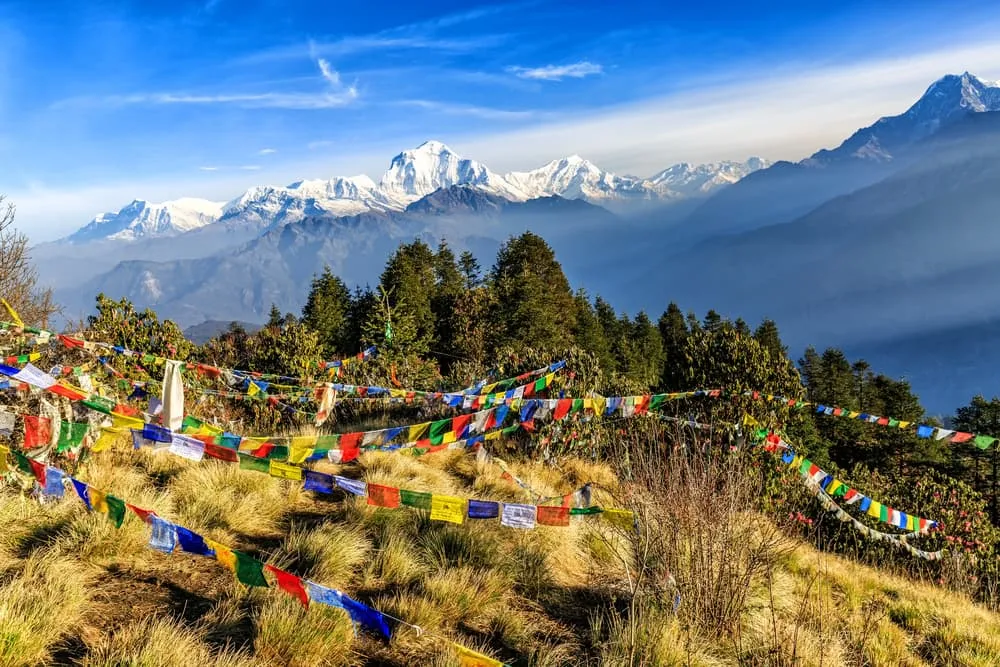
The 7,000-meter peaks multiply the count dramatically. Everest (8848.86m), the king of all the Himalayas, dominates the view. Cho Oyu hides behind Everest at 8,188 meters. Lhotse blends into Everest at 8,516 meters. Makalu at 8,485m comes up with triangle shape. Way out toward Sikkim sits Kangchenjunga at 8,586m. Nuptse comes next at 7,861 meters. Baruntse at 7,129 meters looms nearby. Peak 41 and Peak 43 add to the chaos of summits. Ama Dablam’s distinctive shape shows itself far. Kusum Kanguru at 6,367 meters adds its jagged teeth to the southern panorama, followed by other Everest families.
Many high Himalayas that is not recognized and don’t have names appear too. They fill every gap between the giants. Ridge after ridge of glaciated points extending toward Tibet northward and Sikkim eastward. The horizon bends slightly. You touch the edge of where the atmosphere gives way to space. This magical peak climbing in Everest’s neighborhood holds something valuable that other peak climbing lacks, perfect for adventure junkies. Even the curve of the Earth becomes visible at these heights.
Upon your arrival at Tribhuvan International Airport in Kathmandu, the heart of Nepal, you will be greeted by a member of our expedition team who will guide you to your hotel. Take this first day to rest and recover from your flight, allowing you to acclimate to the bustling, vibrant atmosphere of the city. If you have the energy, you may venture out to explore Kathmandu, which is known for its rich cultural heritage and vibrant streets. You can wander through narrow alleyways, visit local shops, or relax in one of the many cafes, soaking in the sights and sounds of the Nepali capital. This day serves as a perfect introduction to the country and its hospitality, as you prepare for the exciting days ahead.
Today will be dedicated to exploring the cultural heart of Nepal. You will embark on a guided sightseeing tour of some of Kathmandu’s most iconic UNESCO World Heritage sites, such as the sacred Pashupatinath Temple, a center of Hindu worship; the massive stupa of Boudhanath, one of the largest in the world; and the historical Kathmandu Durbar Square, home to ancient palaces and temples. This day also serves as the final preparation for your expedition. In the afternoon, you will attend a pre-expedition briefing, where the lead guide will go over the climbing itinerary, important safety protocols, and equipment check. The team will ensure that you have everything you need for your adventure, and you will have the opportunity to ask any last-minute questions before beginning your trek.
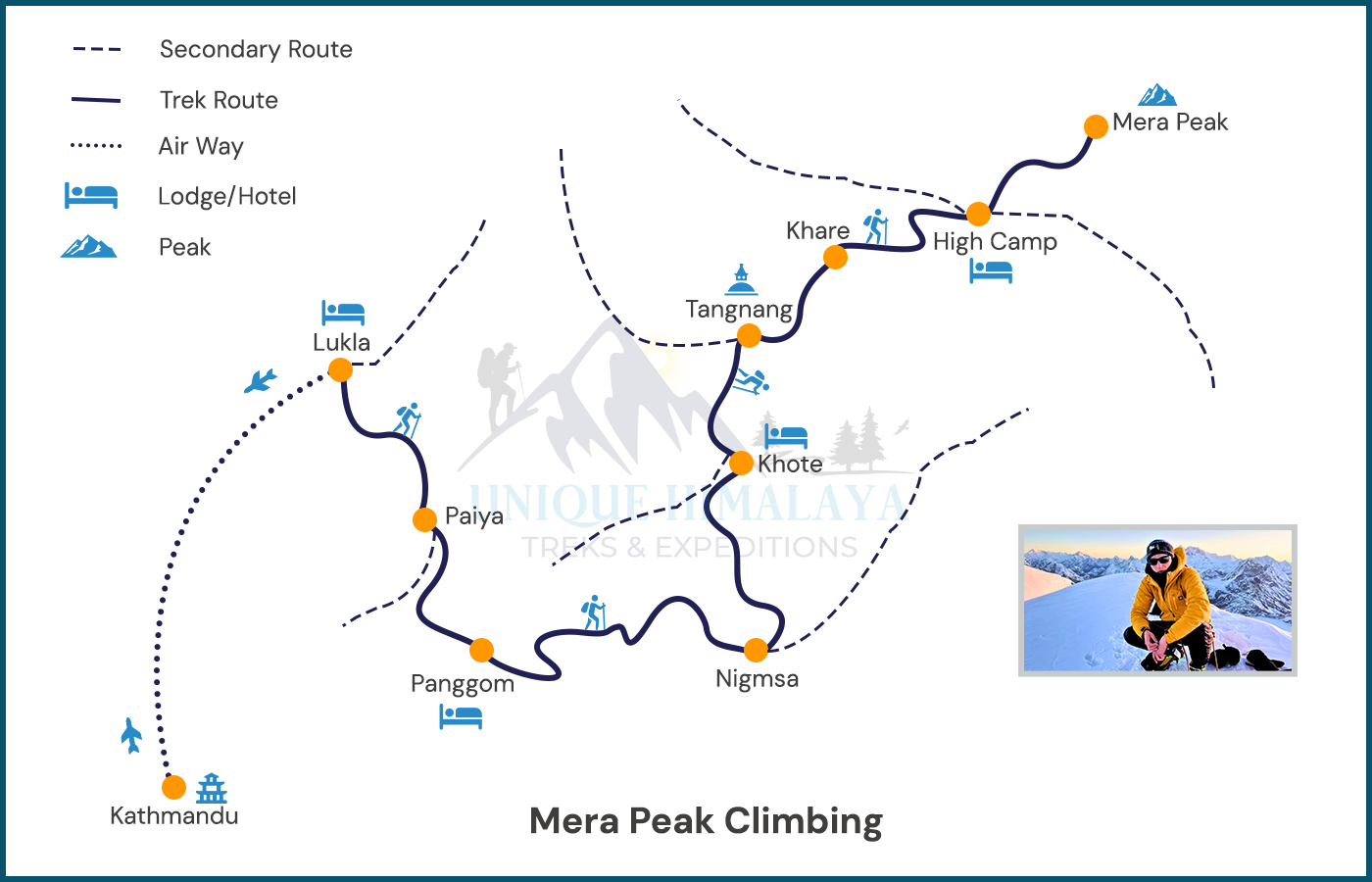
Today marks the official start of your trek as you take an early morning scenic flight to Lukla. The flight offers magnificent views of the Himalayan peaks, and Lukla’s small, high-altitude airstrip serves as the gateway to the Khumbu region. Once you land, you will begin your trek to Paiya or Panggom, passing through lush green landscapes and quaint Sherpa villages. The trail is relatively gentle, giving you the opportunity to absorb the stunning surroundings, including terraced fields, flowing streams, and the early hints of snow-capped mountains looming in the distance. This initial trekking day helps to gradually introduce you to the mountain environment and set the tone for the adventure ahead.
The journey continues as you trek from Paiya or Panggom to Nigmsa, a small Sherpa village nestled in the hills. The trail weaves through dense forests, with towering rhododendron trees, and crosses streams and rivers that flow through the picturesque valleys. As you make your way towards Nigmsa, you will be welcomed by friendly locals who may invite you to experience their traditional culture. The steady ascent through this peaceful terrain allows for continued acclimatization, and you can stop along the way to rest and take in the scenery. By the time you reach Nigmsa, you’ll feel a deeper connection with the land and people that make the Khumbu region so special.
Today’s trek takes you to Khote, a charming village situated along the Dudh Koshi River, a tributary of the mighty Arun River. The route offers striking views of the surrounding mountains, and you’ll be able to catch your first glimpses of Mera Peak in the distance. As you trek, the air will begin to thin, and the landscape transforms into a more rugged, alpine environment. The path passes through small villages and offers increasingly breathtaking views of snow-capped peaks. Once you reach Khote, you’ll settle into this picturesque village, where you’ll enjoy the serenity of being surrounded by towering peaks and glaciers, preparing for the challenges of higher altitudes.
Altitude acclimatization is key to ensuring a successful ascent, and Day 6 will be dedicated to this process. You will remain in Khote, allowing your body time to adjust to the increasing altitude and thinner air. This rest day will include short hikes in the surrounding areas, giving you the chance to explore the local landscape and gain a better understanding of the high-altitude environment. You’ll also receive advice on how to handle the physical challenges of trekking and climbing in the Himalayas. This day will allow your body to recover and adapt, ensuring you are in the best possible condition for the next stages of the expedition.
From Khote, you will continue your trek towards Tangnang, also known as Tagnag, a beautiful high-altitude village. The trail is a steady climb, passing through alpine meadows and moraine fields. You will be walking through increasingly rugged terrain as the landscape becomes more dramatic, with jagged peaks and glaciers coming into view. Tangnang will be your base for the next few days, offering stunning views of the surrounding peaks. Once you reach Tangnang, you will enjoy a well-deserved rest and prepare for the final stages of the trek.
The trek continues from Tangnang to Khare, which is the base camp for Mera Peak. The journey is more challenging as the terrain becomes steeper and rockier, and you will navigate through moraines and glacial terrains. As you approach Khare, you will feel the air thinning and the environment becoming more alpine. Upon arrival at Khare, you will have some time to relax and prepare for the upcoming summit attempt. Khare is the last settlement before your climb to Mera Peak’s summit, and you will get a real sense of remoteness and adventure here.
Another important acclimatization day is scheduled in Khare. During this day, you’ll review climbing techniques with your guides, familiarize yourself with your gear, and discuss the technical aspects of the climb. You will also have the opportunity to do some light hikes in the surrounding area to further adjust to the altitude. This day is crucial for ensuring you are physically and mentally prepared for the summit climb. It’s a time to rest, reflect, and enjoy the spectacular scenery that surrounds you.
Will be all about preparation. You’ll spend the day going over final details with your guides, ensuring that you’re fully prepared for the summit attempt. This will include a final gear check, climbing demonstrations, and safety briefings. You’ll also rest, allowing your body to be in its optimal condition for the challenging days ahead. The weather conditions will be monitored, and your guide will ensure that all necessary preparations are in place to ensure a safe and successful summit.
You’ll ascend to Mera High Camp, the launch point for your summit bid. The climb to High Camp is a significant part of the journey, and it will be your first real taste of the ascent to Mera Peak. The terrain becomes more challenging as you move through snow and ice, but with the guidance of your experienced Sherpas, the climb is manageable. Once you reach Mera High Camp, you will rest and prepare for the final push to the summit. The excitement builds as you settle into camp, knowing that the summit is just within reach.
Summit Day arrives, and after an early start, you’ll begin the ascent to Mera Peak’s summit. The route is a challenging climb that involves traversing glaciers and steep snow-covered slopes. With your guide leading the way, you will navigate fixed ropes and use ice axes and crampons to tackle the technical sections. The climb is strenuous but immensely rewarding, and after hours of steady progress, you will reach the summit. The view from the top is nothing short of breathtaking, with panoramic views of the surrounding peaks, including Everest, Lhotse, Makalu, and Kanchenjunga. After celebrating your achievement, you will descend back to High Camp for a well-earned rest.
In case of unforeseen weather conditions or other factors that may delay the summit push, a contingency day is reserved. This day allows for additional acclimatization or weather breaks to ensure that every climber has the best chance of reaching the summit safely.
Following the successful summit, you will descend to Khare, reflecting on the achievement and celebrating the completion of the most challenging part of the expedition. The descent is quicker, and the return journey provides another opportunity to enjoy the stunning scenery and appreciate the mountain landscapes.
Today marks the start of your journey back to Lukla, retracing your steps through Tangnang, Khote, and Paiya or Panggom. The descent is a pleasant one, as the air becomes denser, and the landscape shifts from the high-altitude terrain back to lush, green valleys. This leg of the trek provides time to reflect on your journey and enjoy the company of fellow climbers.
After completing the trek to Lukla, you will take an early flight back to Kathmandu. Upon arrival, you can rest, shop for souvenirs, or simply relax and reflect on your incredible achievement. The bustling streets of Kathmandu will seem even more vibrant after your time in the mountains, and you will have countless stories to share.
On your final day, you’ll have some free time to relax or explore more of Kathmandu before departing for Tribhuvan International Airport to catch your flight home. The memories of your Mera Peak Expedition will stay with you long after you leave, and you’ll have experienced one of the most remarkable trekking and climbing adventures on the planet.
| Start Date | End Date | Price | Space Left | |
|---|---|---|---|---|
| January 16, 2026 | February 2, 2026 | 2200$ | Enquiry | |
| Enquiry |
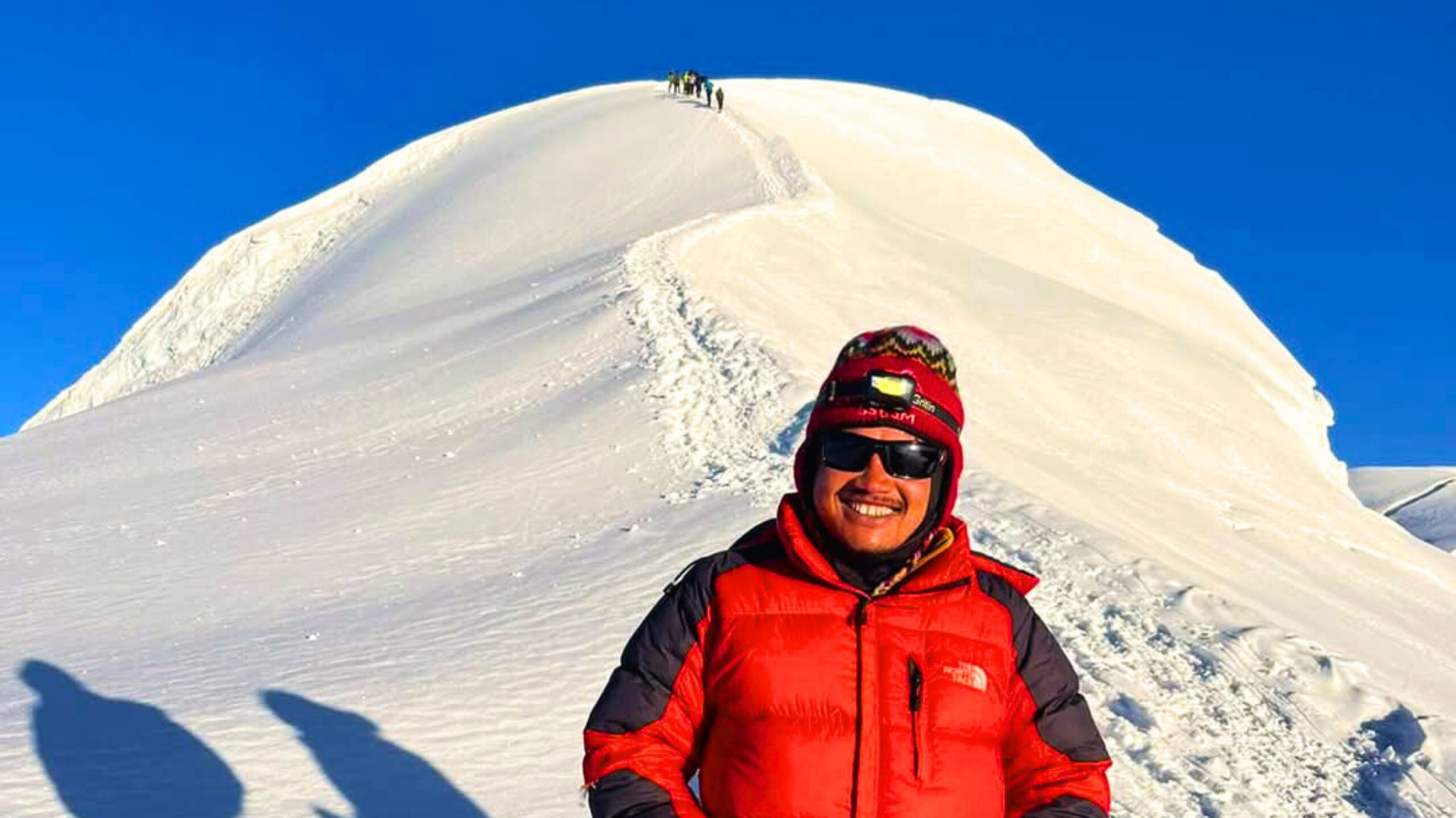
The difficulty of Mera Peak Climbing is ranked as a moderately difficult climb. Mera Peak gets marketed as one of Nepal’s highest trekking peaks, which is neither too difficult nor too hard. Moderate difficulty is the honest classification. Not easy. Not extreme. Somewhere between a hard trek and a real mountaineering expedition.
The route to 6000m+ peak winds in from the quiet Hinku Valley. From Lukla, you drift off the busy Everest highway and thread ancient ridge villages, Panggom, Kothe, Thangnak, before Khare (about 5,045 m) becomes home base. The remoteness means commitment once you start. Everything changes above Khare.
The trail turns to frozen grit and wind-packed snow, the Mera La at 5,415 m rolls out like a white runway, and high camp at 5,780 m perches behind a rock rib with a ring of 7000-8000m+ mountains. The summit slope averages 25–30 degrees, gentle by climbing standards. Altitude is the gatekeeper.
The difficulty of this peak climbing is not physical challenge, it is altitude. You learn to walk in crampons without stabbing your gaiters, to hold an ice axe, and to space the rope so a stumble doesn’t become a problem.
You also learn what altitude does to appetite and sleep. You climb high, then return to sleep lower whenever the itinerary allows. Technical difficulty? On the normal line, it’s limited: roped glacier travel, a short fixed line near the summit hump, and crevasse awareness. The technical side stays manageable for most fit people.
Summit morning is where the mountain shows its personality. You wake to the hiss of a stove and the quiet talk of a rope team getting ready. For all of this, Mera rewards fairly. It asks patience, respect, and decent fitness, then gives you a summit ridge where five eight-thousanders pull themselves out of sight.
Yes, fit and well-prepared beginner can complete Mera Peak Climbing easily. Mera Peak welcomes sightly prepared beginners. Even those who haven’t hiked once in their entire life can complete Mera Peak Climbing with the right preparation, team, acclimatization, slow pace with respect for altitude, and the high Himalayas.
Mera Peak Climbing lives in that honest middle zone: challenging, very achievable, and wildly rewarding if you show up with the right mindset. Mera’s standard route usually doesn’t demand fancy climbing moves.
Mera’s standard route involves no technical climbing. If you can hike for hours, keep eating even when you’re tired, and stay patient when the trail feels long, you’re already building the exact skill set Mera loves.
So what does beginner really mean here? There is no beginner or professional for mountains. If you respect the mountains, walk following every rules of your guide, team and mountains you are a professional for mountains.
The two things that decide a beginner’s success are time to acclimatize and the right support team. Many people who haven’t hiked through their entire life has summited Mera Peak Cimbing with right preparation and guidance of right team.
Imagine Everest and the other four high Himalayas of 8000m+ and more than 16 peaks of 6000-7000m+ as the first view, while unzipping the camping tent, and a direct view of those high Himalayas from inside the window of your traditional tea house.
Your accommodation on Mera Peak will be in warm Sherpa teahouses in the lower valley, and a warm, comfortable camp high on the mountain. The journey starts in Lukla with proper high Himalayan teahouse lodging. In Lukla, you get luxury rooms, hot showers, warm meals, and cozy rooms in the Himalayan Sherpa teahouse.
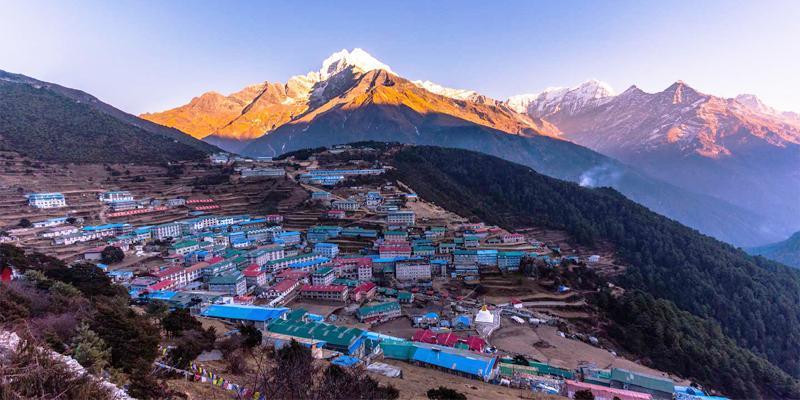
In the lower and mid villages, you’ll sleep in traditional tea houses, full of ancient high Himalayan culture and tradition. Sherpa families run these lodges the old way. Sherpa culture provides the human element. These high Himalayan tribe have lived alongside high peaks for generations. Their relationship with mountains is practical and spiritual simultaneously. The peaks are their neighbors and sacred sites.
Tea houses are also where you actually feel the culture. In Lukla and at lower elevations, you get from pizza to traditional Himalayan foods. Higher up, western food becomes less common and less reliable, as ingredients are harder to carry. The tea house becomes a meeting point between centuries. Between cultures. Between ways of living and different traditions. These ancient Himalayan tea houses are cultural bridges to something ancient and rare.
Before the climbing begins, something important happens. The puja ceremony. Juniper smoke rises. Rice gets thrown. Old age mantras echo off valley walls.
Then, as you climb higher into the alpine zone where villages thin out and the landscape turns more raw, you switch to tented camps for the summit section. That mix: tea house life below, expedition-style nights above, gives Mera a character that’s hard to find on more crowded routes.
Above Khare, tents take over. High camp (about 5,780 m) sits behind a rock rib with the high Himalayas surrounding all over you. At Unique Himalayas treks and expeditions, you can expect the best expedition-grade tents, warm liners, and staff who are 24 hour available for your safety.
The tent nights give you something else. Raw exposure to a spiritual place where humans exist temporarily, and mountains exist forever. The service gets leaner as you climb, but the welcome stays rich the whole way up.
This combination creates something no luxury resort can replicate. Cultural immersion below. Wilderness immersion above. Both authentic high Himalayan experiences within single expedition.
Lower elevations bring traditional Sherpa tea houses. You’re not visiting a cultural attraction. You’re staying inside one. Traditional and ancient Himalayan family homes were opened to travelers for generations. This is where cultural immersion happens. Ancient tea house accommodation reflects a cultural journey through ancient valleys.
When you sleep in these tea houses, you become a temporary part of something ancient. These are the Himalayan tribes that few outsiders ever meet. Their daily rhythms follow patterns older than recorded history. This isn’t Himalayan Sherpa accommodation. It’s time travel.
The architecture alone tells centuries of story. Every tea house carries its family’s history. The architecture itself demonstrates cultural values. Fewer people have experienced these cultural patterns. The remoteness that preserved these isolated, less explored villages also limited outside contact
The tea house experience resembles an old museum visit, but in a better way. Your payment supports the families of the ancient Himalayan tribe directly.
Higher elevations bring camping, with the raw Himalayan experience unfiltered. Above the last tea houses on higher elevation, the accommodation shifts completely. This transition marks the climbing portion of the expedition. You’ve left the cultural zone. Entered the mountain’s domain.
Camping on the higher sections on the raw Himalaya, feels close enough to touch Everest high Himalayas. You feel like you are sleeping in entre another dimension, on world full up of spiritual and majestic Himalayas everywhere.
Unique Himalayas provides quality expedition tents. Designed for high altitude conditions. Capable of handling weather that changes without warning. Your temporary home in environments too harsh for permanent structures.
The camping experience offers its own rewards. Completely different from tea house nights. Stars at altitude exceed anything you’ve witnessed. No light pollution for hundreds of kilometers. Satellites are visible crossing the sky. Shooting stars are common enough to stop making wishes. The Milky Way becomes architecture.
This is the raw Himalaya. Unfiltered. Unmediated. Exactly as it existed before humans arrived and exactly as it will exist after we’re gone.
Explore old age traditional Himalayan Gompas and monasteries. The gompas have high frequency of energy everywhere around the surroundings. Architecturally, it carries the hallmarks you’ll see across Sherpa Buddhist sites. It is a spiritual, ancient Himalayan museum.
You experience morning and evening pujas, where chanting rolls through the room like a steady current. Many gompas feature the distinctive red stripe painted across upper walls. This identifies the building as Nyingma tradition, the oldest school of Tibetan Buddhism.
Local people describe these sites as having high-frequency places where the boundary between physical and spiritual worlds grows thin. In festive times, you see masked dance, fire rituals by. local shaman or Bompos, and be part of the high Himalayan culture. These are the things to follow while in Monasteries, temples, and Gompas.
In the high villages on the approach to Mera Peak, the day often begins with puja ceremonies, rituals on the Gompas. Spiritual rituals and pujas aren’t special events here. They’re the backbone. You also be a part of a ritual, where you just ask for a safe summit, agreeing to move through this place with the right attitude to the mountain gods. Most serious expeditions in the Khumbu have a puja ritual before they step into the serious terrain.
You’re moving through a centuries-old Sherpa world that’s been shaped by altitude, Buddhist practice, and older spirit-beliefs. Once you swing into the quieter ancient valleys, the ancient Hinku side, the whole feeling changes with fewer crowds and rich Himalayan tradition.
You feel like walking ancient living Himalayan Museum, where ancient culture was frozen in time. life here has always demanded both spiritual resilience and practical intelligence. Mera Peak contains its own deity. Himalayan culture isn’t preserved; it’s lived.
If you pass through the Khumbu region or spend time in villages connected to Sherpa cultural life, with the right timing, you experience centuries-old festivals, rituals. Certain celebrations are woven around monastery calendars and seasonal rhythms. Cham Dances, masked dance, and long chanting sessions is done there.
The Sherpa calendar revolves around Buddhist festivals that outsiders rarely witness unless timing aligns perfectly. Losar (Tibetan New Year) transforms villages completely. Mani Rimdu is where you witness the ancient mask dance, cham dance.
At festive time, the monasteries hold a high frequency of energy with activities like mask dance, ancient fire rituals, and Bompos chanting old mantras.
The mountains are sacred for the local people. People here often treat certain mountains as the homes of protective deities. Some peaks aren’t climbed out of respect. Not because they’re technically impossible. Because climbing them would offend the deity residing inside.
Sherpa’s relationship with the peaks is more intimate. More alive. They perform old-age rituals to seek permission from mountain gods before the summit. Locals describe it as Something conscious and particular and capable of deciding whether you come home or don’t.
Respect the altitude and the altitude will respect you. Local people often treat certain peaks as the homes of protective deities.
Everest routes can be incredible, but they’re busy. Mera, especially through the Hinku approach, has long stretches where you’re not distracted by crowds, not pulled into the trekking marketplace vibe. You’re just walking through a less-explored, isolated Himalayan village. It feels like entering the past realm.
The route to Mera’s summit passes through old-school villages. Traditional Himalayan culture is visible everywhere. As you climb into the Hinku Valley, through places like Kote, Thangnak (Tagnag), and Khare, you get a clearer picture of what isolation really means. These villages preserve something the popular trails sacrificed. Authentic rhythm. Unmarketable genuineness.
The quieter Mera approaches introduce you to villages that don’t orbit the spotlight. They exist on their own terms, completely less explored and less crowded. The Mera Peak approach offers something the famous routes lost decades ago. Actual isolation. Real Himalayan experience.
The Mera Peak trail passes through zones that locals consider sacred. Places where the boundary between physical and spiritual grows thin. High places vibrate at a higher frequency; they produce something different. Call it energy. Call it atmosphere.High Himalayan energy operates differently than lowland energy.
You feel like entering a different dimension of the high Himalayas with 5 of the 8000m+ mountains and 16+ other Himalayan peaks at 6000-7000+m. Above 5,000 meters, where humans rarely go, the feeling and frequency of energies intensify. Sherpas call certain areas high-vibration zones. Where healing happens faster.
There is a 300+ years old preserved Yeti’s scalp in the Khumjung monastery. If you add 2 more trekking days from Lukla or while returning, it takes 2 days to reach Khumjung monastery, where you can see a live ancient skull of the high Himalayan creature, the Yeti.
In the spring of April 1951, long before Everest became crowded, the mountains were very isolated and less explored, with minimal trekkers. When a British reconnaissance team, led by Eric Shipton and Michael Ward, encountered a Yeti near the Menlung glacier.
In the Himalayan world, Yeti is understood as a protective spirit, living between the seen and the unseen. There are lots of Western mountaineers who claim to have seen Yeti on Everest with some photos.
This climb isn’t for everyone. The physical demands are real. The altitude risks can’t be eliminated entirely. The cost in time and money is substantial. Fit people can do it. And because Mera Peak isn’t very technical on most standard routes, a lot of strong trekkers surprise themselves in a good way.
You won’t need advanced climbing moves like steep ice pitching or complicated rope systems every day. You’re not just climbing a peak. You’re trekking for days first. You walk 5,8 hours a day, at 5000+ meters. Sleep can get patchy. Appetite can drop. Headaches can appear out of nowhere. A fit person can still get altitude sickness. An unfit person can sometimes acclimate fine.
Even though Mera isn’t highly technical, you may still use crampons, walk on a glacier, and step into high Himalayan terrain where no permanent human settlement exists. With a good fitness level and proper preparation, even first-time climbers and beginners can complete Mera Peak climbing.
Prepare for cold and early mornings
At Unique Himalayas Treks and Expedition we’ve built every part of this climb around bringing you home safe. At Unique Himalayas your safety comes first. The summit matters but you matter more. Our gear comes from brands that professional mountaineers trust with their lives.
The ropes holding you over crevasses are expedition grade. The crampons biting into ice are properly fitted and inspected before every climb. Your harness, carabiners, ice axes, everything you clip into or hold onto meets standards that actually mean something at 7,000+ meters.
Our guides didn’t learn mountains from books or weekend courses. These are Sherpa climbers born at altitudes that make lowlanders dizzy. The trails we follow are trails their fathers walked. The peaks surrounding Mera are peaks they’ve known since childhood.
When your guide says the weather is changing or your pace needs adjusting, that knowledge comes from a lifetime living with these mountains. Every lead guide holds training in high-altitude emergency response. Altitude sickness recognition. Emergency oxygen protocols. Your health is watched constantly.
Before the expedition, we want your medical history. During the climb, we check oxygen saturation at rest stops. We track sleep quality and appetite because these details reveal altitude problems early. Our guides and team are there for you entire 24 hours.
Radio links connect the base camp to the high camp to our operations team. Satellite phone ready when radio signals fail. Weather updates are flowing constantly. We climb slowly on purpose. Your body needs time to produce extra red blood cells and adjust breathing patterns. This process cannot be rushed no matter how strong you feel. Our itinerary builds in rest days at key altitudes.
Our track record speaks clearly. Hundred percent success rate in bringing clients home safely. We provide emergency oxygen at high camps even though most climbers won’t need it. We carry comprehensive first aid supplies beyond basic kits. We establish helicopter evacuation points before anyone gets sick. Insurance verification happens in Kathmandu.
You can be fit, experienced, careful, and still end up needing help at 6000m+. Insurance is your backup plan with money attached to it. It’s the piece that pays for medical care, helicopter evacuation, hospital bills in Kathmandu, and sometimes the messy extras, trip interruption, extra nights, missed flights—when the mountains change the schedule.
Here’s what to look for before you buy, and what to double-check so you trek in high highland of the spiritual Himalayas without any tension.
1) Attitude Limits
Standard adventure travel policies often include altitude limits buried in the fine print. Common limits include 4,000 meters. Some go to 5,000 meters. A few reach 6,000 meters. Mera Peak requires coverage to at least 6,500 meters. The summit sits at 6,476 meters.
Get explicit confirmation that your policy covers mountaineering activities to 6,500 meters.
2) Emergency medical and helicopter evacuation in Nepal
This is the big one. Helicopter rescue is expensive, and it’s the most common serious cost scenario in the Everest/Makalu region. A single rescue flight can cost eight thousand dollars. Complications increase this dramatically. Multiple flights if weather forces return
Make sure the policy covers helicopter evacuation from remote mountain areas,
3) Search and rescue
Some policies cover evacuation but don’t clearly cover search costs if you’re not at a lodge or obvious pickup point.
4) Gear and Baggage Protection
Mountaineering equipment costs serious money. Boots. Crampons. Ice axes. Down jackets. Sleeping bags. Airlines can sometimes lose baggage. Equipment might gets damaged in transit.
Good adventure travel policies include gear coverage. Limits vary. Documentation requirements vary. But protection exists for equipment loss or damage.
Some policies offer rental reimbursement if essential gear gets delayed. You can rent replacements and get reimbursed. Prevents expedition from failing due to luggage problems.
5) Trip Cancellation and Interruption Coverage
The evacuation coverage matters most. But other protections have real value too. Mera Peak expeditions cost several thousand dollars. Permits. Guides. Accommodation. Flights. Bookings. Equipment.
If you face a family emergency before departure, a work crisis that can’t wait, or personal illness that grounds you, you might have to cancel. Without trip cancellation coverage, you eat those costs. Non-transferable flights. Wasted permit fees.
Good policies reimburse non-refundable expenses if cancellation happens for covered reasons. Medical issues. Family emergencies. Some policies cover more broadly.
6) Repatriation and hospital costs
– Kathmandu hospital care can add up quickly, and serious cases may involve medical repatriation home. – You want strong coverage here even if you hope you never use it.
7) Common Exclusions to Watch For
Insurance companies write policies to limit payouts. That’s their business model. Understanding exclusions protects you.
Many policies exclude coverage for health problems that existed before the policy. If altitude triggers something underlying, the claim might be denied. Some policies offer pre-existing condition waivers for additional premium.
If the emergency happens while intoxicated, coverage might vanish. Even if intoxication didn’t cause the problem. Policies vary on this.
Some policies exclude coverage if you’re climbing with unpermitted or unlicensed guides. Use legitimate agencies. Keep permit documentation. Check the company’s legal documents, terms and conditions and booking system, ensuring if they are government certified or not.
Most policies exclude these. Usually not relevant for Nepal. But worth confirming.
Some policies cover evacuation once you’re found, but not the search to find you. Separate search and rescue coverage might be necessary.
Note: Read the exclusions section carefully. Everything the policy won’t cover.
It requires insurance verification before departure for the magical Mera Peak summit. We ask for policy documentation. Coverage confirmation letter. Emergency contact numbers for the insurance company. Insurance with proper coverage is a must for Mera Peak climbing.
We need a copy of your insurance certificate/card, clear confirmation of altitude coverage, helicopter and other evacuation coverage confirmation, Policy number + emergency contact details, a simple medical/risk form, Practical readiness for communication etc.
Mera Peak sits in a zone where trekking permits and a climbing permit overlap, so you’re dealing with a small stack of permissions. The main permits you’ll typically need are
Mera Peak Climbing Permit (NMA permit)
Makalu Barun National Park Entry Permit
Makalu Barun Buffer Zone Permit
Khumbu Pasang Lhamu Rural Municipality Permit