
Annapurna-Manaslu Region
Manaslu–Annapurna Circuit Trek
19 Days/18 Nights
2/30
Price From

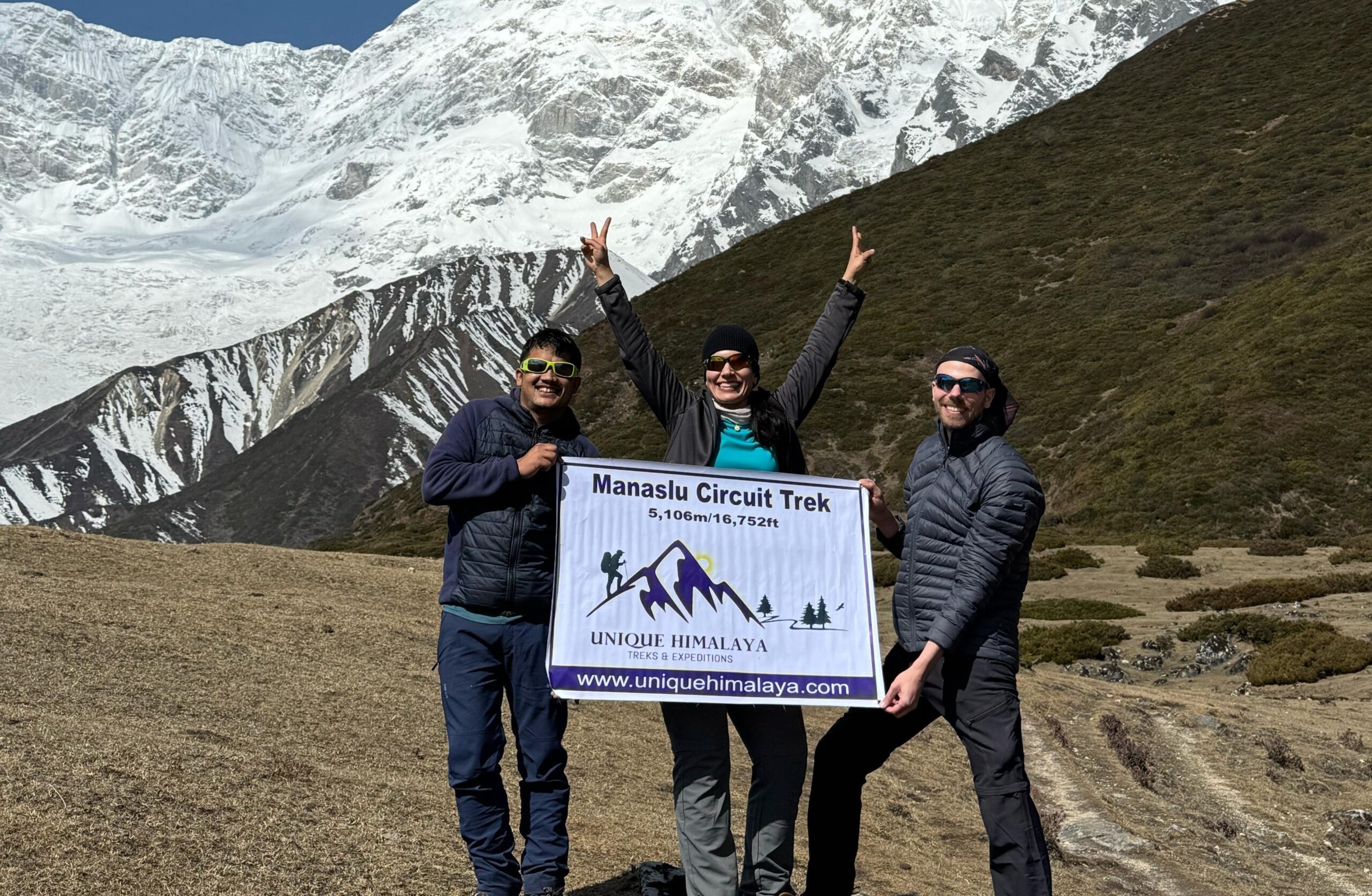
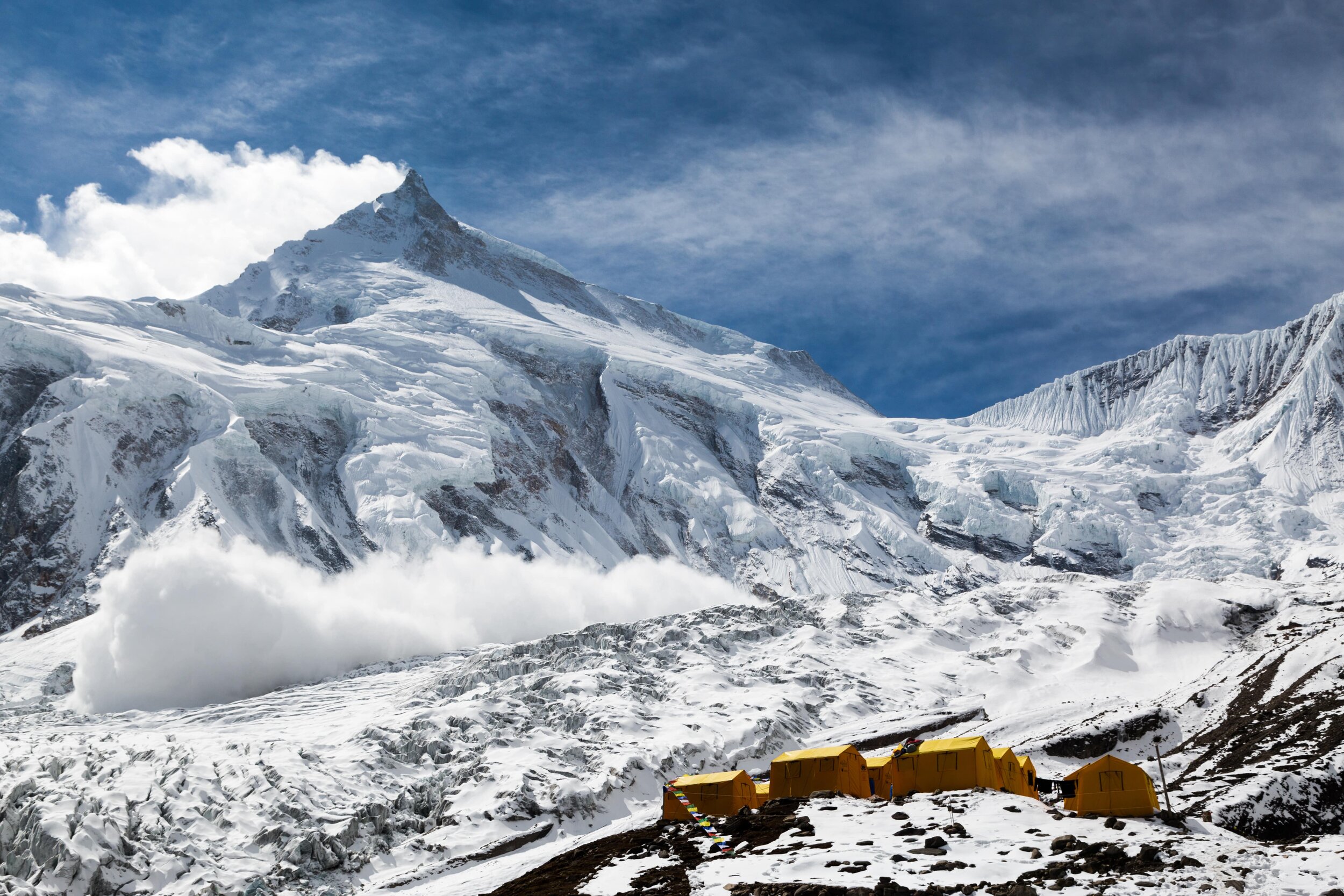
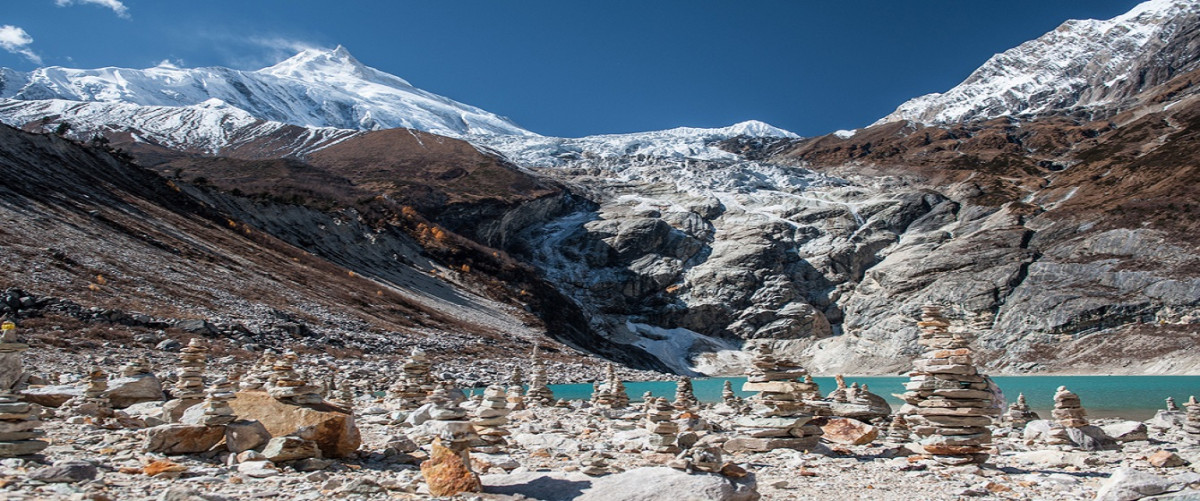
The Manaslu Circuit via Tsum Valley Trek is one of Nepal’s most extraordinary high-altitude adventures, seamlessly blending breathtaking Himalayan landscapes, authentic cultural immersion, and a sense of spiritual enrichment. This comprehensive 18-day journey connects two iconic trekking destinations the mystical and remote Tsum Valley, often referred to as the ‘Hidden Valley of Happiness’, and the classic Manaslu Circuit, which encircles Mt. Manaslu (8,163m), the world’s eighth-highest peak.
Beginning from the lush lowlands of Soti Khola, the trek ascends through tropical forests, terraced farmlands, and roaring rivers, gradually transitioning to alpine meadows, glacial valleys, and snow-covered mountain passes. The Tsum Valley offers an unmatched opportunity to explore centuries-old Tibetan Buddhist monasteries such as Mu Gompa and Rachen Nunnery, witness timeless rituals, and connect with locals whose way of life has remained unchanged for generations.
After exploring Tsum Valley, the route rejoins the Manaslu Circuit, unveiling panoramic views of Manaslu, Himalchuli, and Ganesh Himal. Well-paced acclimatization days prepare you for the ultimate challenge – crossing the legendary Larke La Pass (5,160m), offering jaw-dropping vistas of Himlung Himal, Cheo Himal, Kang Guru, and Annapurna II. Far less crowded than Everest or Annapurna, this trek is perfect for experienced trekkers seeking solitude, raw beauty, and cultural depth.
This Manaslu circuit trek via Tsum Valley is graded as ‘Challenging’ due to long walking days, high altitude, and remote terrain. Acclimatization is essential to prevent altitude sickness, which may occur above 3,000m. To minimize risk: ascend gradually, hydrate well, avoid alcohol, and descend immediately if severe symptoms occur.
All permits are arranged by the trekking agency; a minimum of two trekkers with a licensed guide is mandatory.
Upon arrival in Kathmandu, you will be greeted at the airport and transferred to your hotel. A pre-trek briefing will be held to discuss the itinerary, check gear, and finalize permit preparations. Overnight in a comfortable hotel.
We begin our journey early with a scenic drive from Kathmandu to Soti Khola via Arughat. The drive offers insights into Nepal’s rural lifestyle and lush landscapes. Overnight at a teahouse in Soti Khola.
The trek starts through sal forests, past waterfalls and terraced farmlands. Crossing suspension bridges over the Budhi Gandaki River, we reach the riverside settlement of Machha Khola for the night.
Today we enter the Manaslu Conservation Area. Stone-paved paths and hillside villages offer the first taste of traditional Gurung and Tibetan culture. Overnight in Jagat.
We diverge from the main Manaslu trail at Ekle Bhatti and climb toward the remote Tsum Valley. The trail is peaceful, with stunning views of surrounding peaks. Overnight in Lokpa.
Crossing the Siyar Khola, we ascend gradually toward Chumling. Enjoy views of Ganesh Himal and traditional stone houses. Overnight at a local teahouse.
Trekking deeper into the Tsum Valley, we walk past chortens, mani walls, and ancient symbols of Buddhism. Overnight in the beautiful village of Chhokang Paro.
Today’s short hike brings us to Mu Gompa, the spiritual heart of Tsum Valley. Visit this revered monastery, and optionally hike to Dhephyudonma Gompa. Overnight at a basic lodge.
After a relaxed morning, we descend gently back to Chhokang Paro. En route, there’s an option to visit Rachen Gompa, a significant nunnery. Overnight stay at teahouse.
We exit the Tsum Valley, returning to Lokpa before heading on to the Manaslu Circuit route. Overnight at a teahouse in Deng.
Today we pass through dense bamboo and rhododendron forests, climbing steadily to Namrung. This village offers great views of Ganesh Himal and Himalchuli.
Continuing upward, we pass Lho village and Ribung Gompa, and enjoy our first up-close views of Mt. Manaslu. Overnight in the picturesque Sama Gaun.
We rest today to acclimatize. Optional hikes include Manaslu Base Camp or Pungyen Gompa, both offering panoramic mountain views. Overnight in Sama Gaun.
A short trek through yak pastures brings us to the high-altitude village of Samdo, close to the Tibetan border. Overnight at a local lodge.
Today we ascend further to Dharmasala, also called Larke Phedi. Facilities are basic, but the views and serenity are incredible. Overnight stay at teahouse.
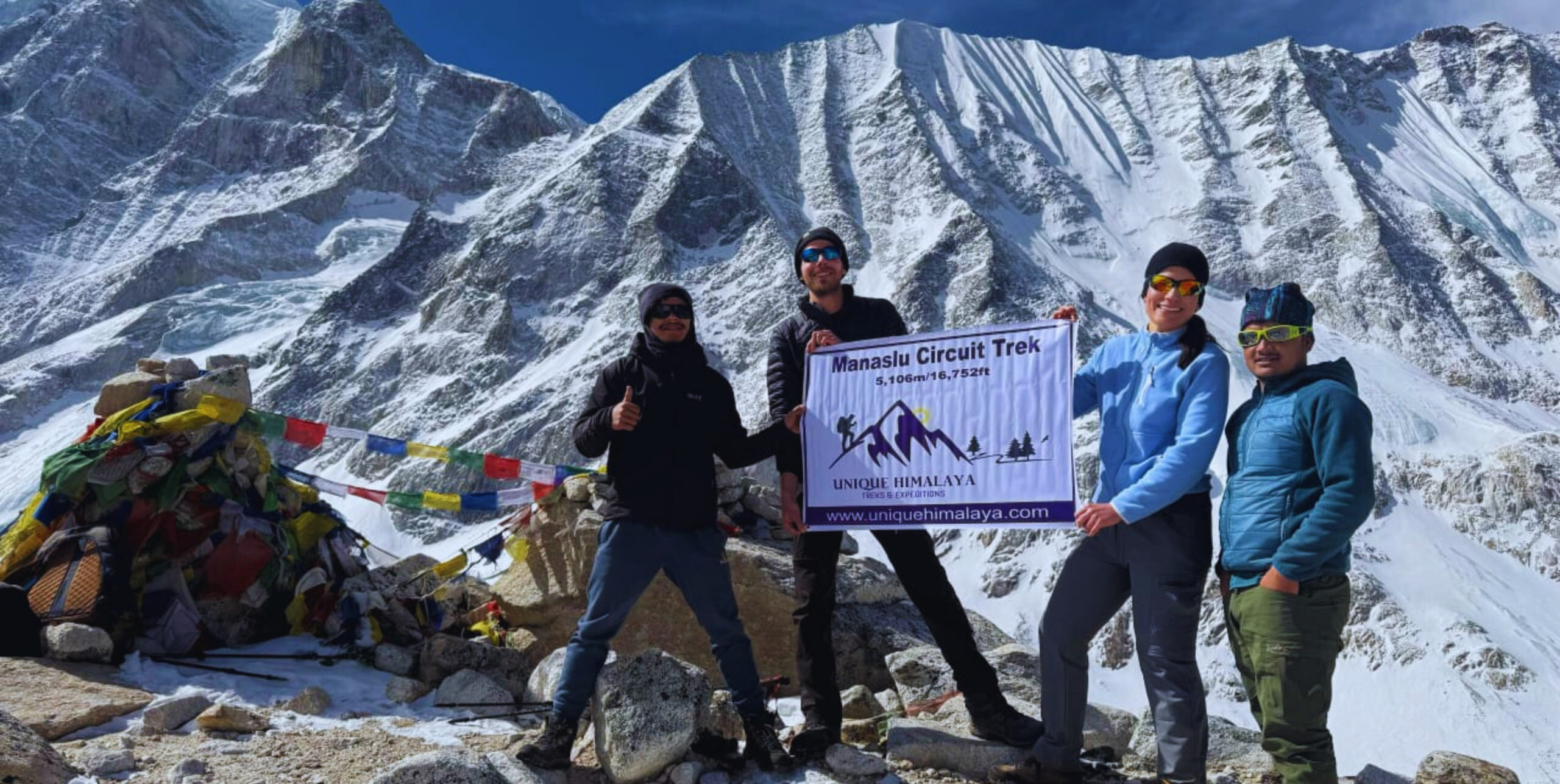
We start before dawn to cross the challenging Larke La Pass. The climb is tough but rewards you with breathtaking views of Himlung Himal, Kang Guru, and Annapurna II. Descend to Bimthang for a well-deserved rest.
Our final trek leads through lush forests to Dharapani, from where we take a jeep to Besisahar. Overnight at a comfortable guesthouse or hotel.
We return to Kathmandu by vehicle, marking the end of our trekking adventure. You’ll have a free afternoon for rest or local exploration. Optional farewell dinner can be arranged.
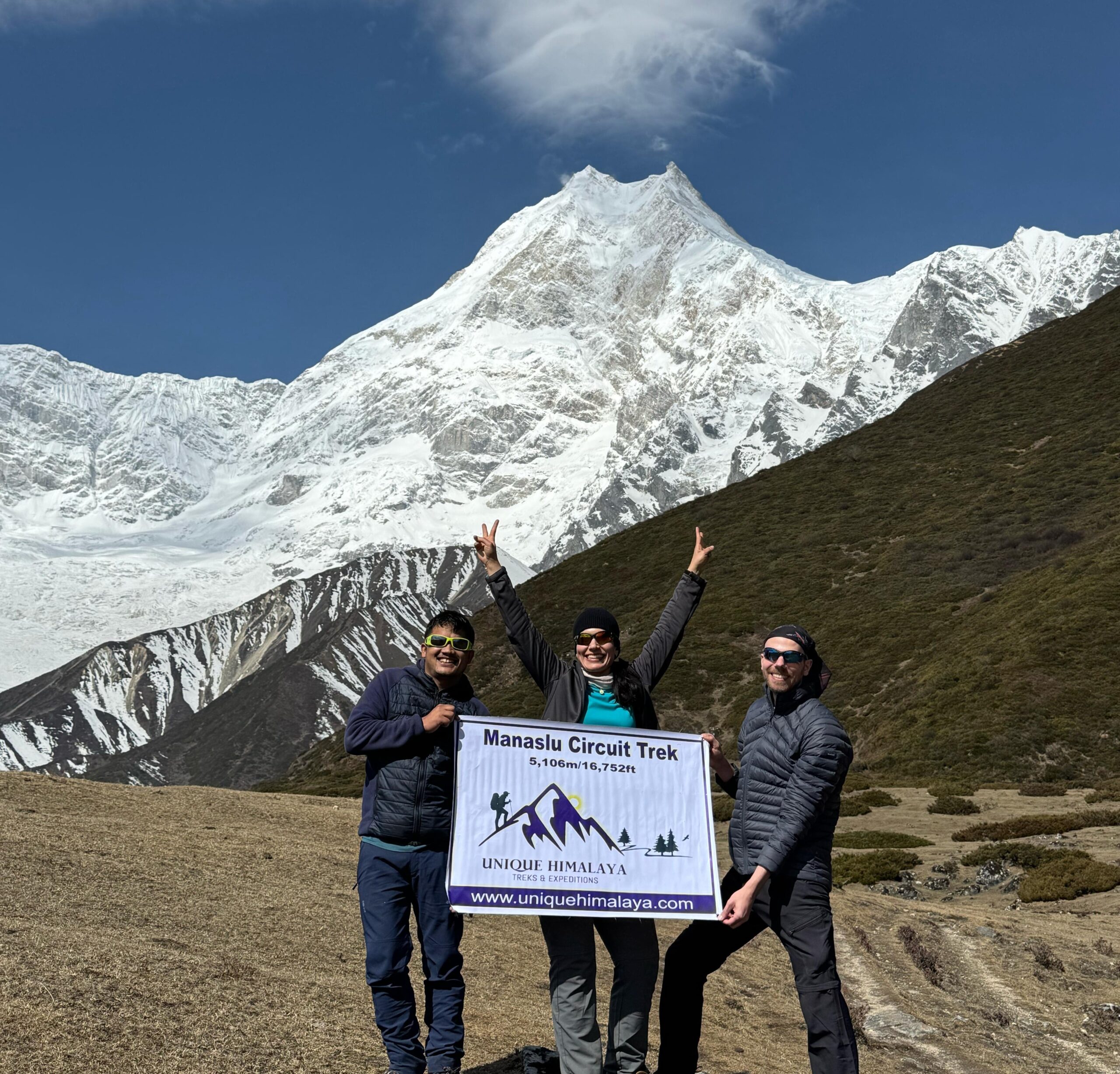
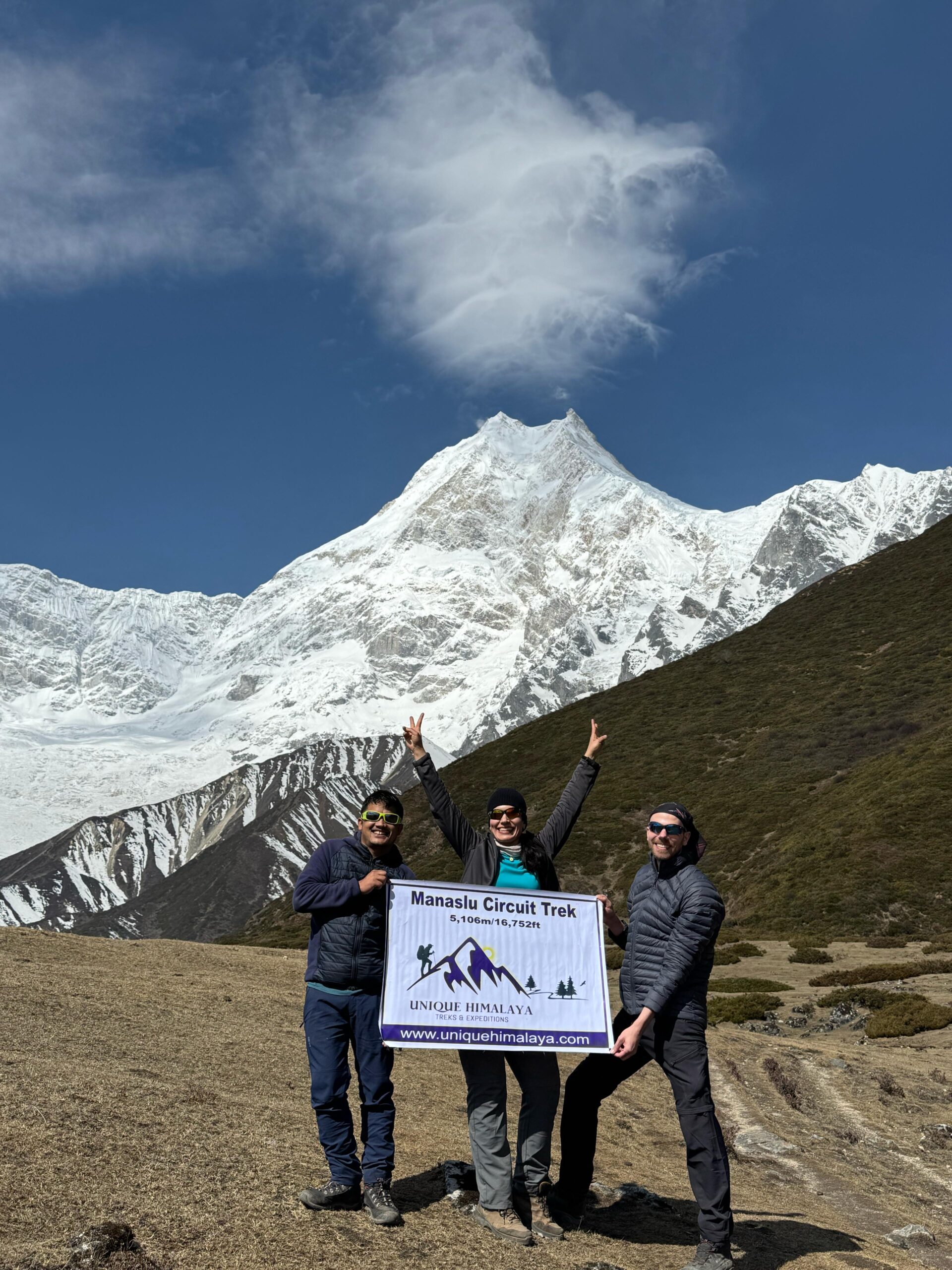
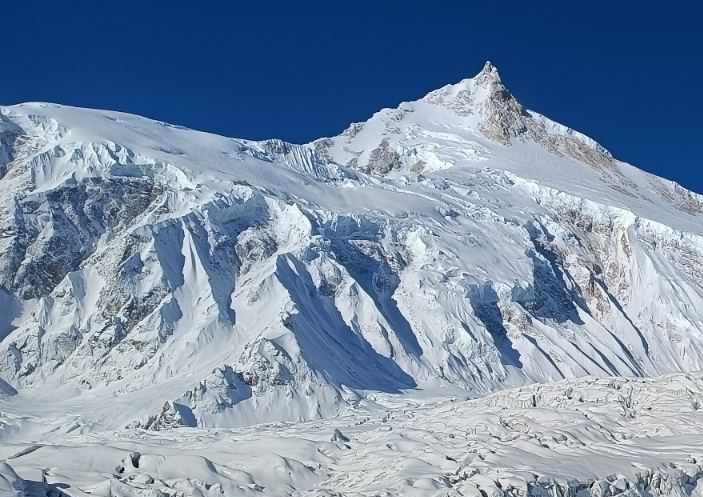
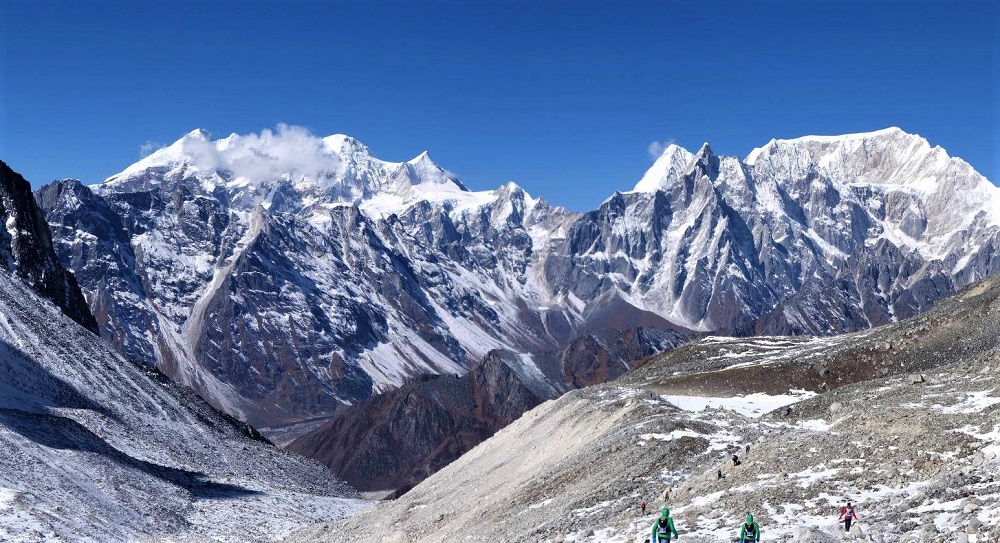
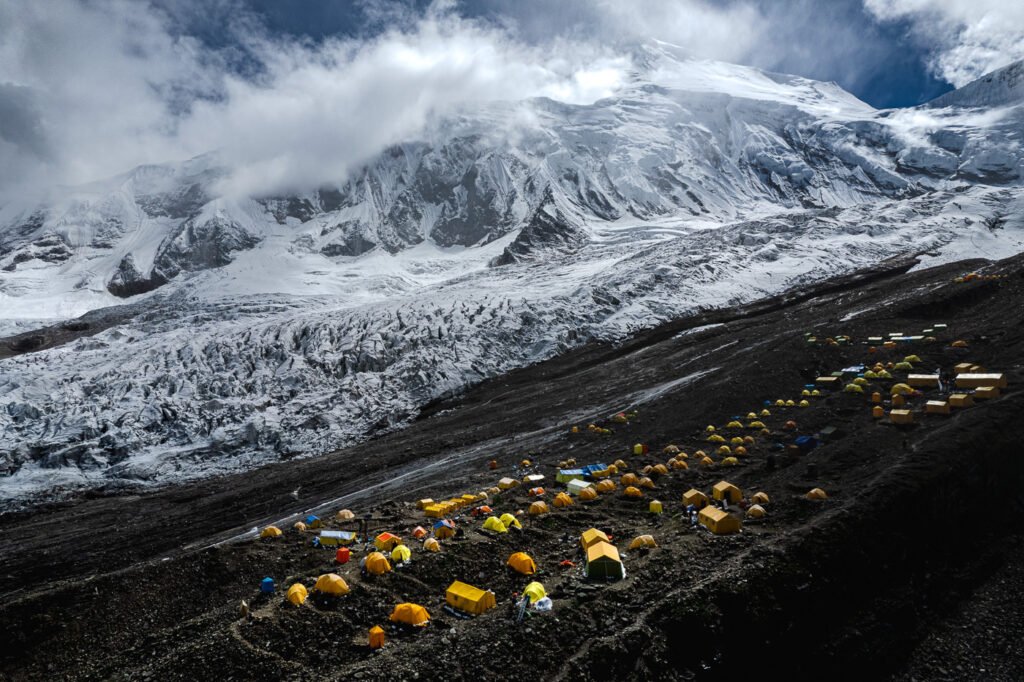
The difficulty of the Manaslu Circuit trek via Tsum Valley is considered “moderate to challenging” level. The highest crossing is Larkya La Pass, commonly listed above 5,100 meters. The trail to the Manaslu circuit and Tsum Valley mostly consists of a gentle uphill climb. I have seen professional trekkers struggling to reach Manaslu Base Camp, but beginner trekkers finishing the trek easily. We have a safe itinerary that respects the rules of the mountains with gradual acclimatization and proper rest. There are no beginner or professional trekkers for mountains. Mountain respects those who respect it.
Unlike Annapurna Base Camp or the Everest region, this trek has few facilities. The Manaslu region is more remote than other trekking regions. It is a trek to a restricted area. Most days demand 5 to 8 hours of walking, depending on your itinerary and pace. Upper Manaslu becomes open, cold, and wind-exposed with more moraine-like surfaces near glacial areas. it’s not the physical challenge that makes the difficulty of the Manaslu trek via Tsum valley difficult; it’s the altitude, attitude, and itinerary that makes big difference.
Manaslu was first opened between 1991 and 1992, and the Tsum Valley was opened in 2008 for its visitors. Before then, travelers were not allowed to trek to the Manaslu region. It means the trail is remote and less developed. You don’t need any technical mountaineering skills. If you are fit, healthy, and can walk 5-6 hours a day, you can easily conquer the Manaslu Circuit trek with Tsum Valley.
Yes, with proper planning, acclimatization, a positive attitude, and respecting the decision of your professional guide, even a beginner can complete the Manaslu Circuit trek via Tsum Valley. There is no beginner or professional for the mountains. Mountains don’t judge you by your experience. You can start with light training in advance.
You will be provided with the company’s duffle bag to load your accessories. Your porter will carry it for you. Your Himalayan porter carries a maximum weight of 25 kg. Even families with children and old member can complete this trek with proper rest days and acclimatization days.
Itinerary includes acclimatization days in Sama Gaun and gradual altitude gain to reduce risk of AMS.
Autumn (October to November) and Spring (March to May) are considered the best seasons for the Manaslu Circuit with the Tsum Valley trek. But, each season has its own uniqueness; it’s on you to choose the version of Manaslu you want to meet.
Manaslu Circuit with Tsum Valley in Spring (March, April, and May)
Manaslu Circuit with Tsum Valley in Autumn (September, October, and November)
Manaslu Circuit with Tsum Valley in Winter (December, January, and February)
Manaslu Circuit with Tsum Valley in Summer (June, July, and August)
Three distinct ethnic cultures shape accommodation experiences along the route of the Manaslu region. Each brings unique architectural traditions. Each serves different culinary specialties. Lower elevation villages showcase Gurung hospitality first. This ethnic group dominates the regions between Soti Khola and Philim. Cross into Tsum Valley and the cultural landscape shifts noticeably. The teahouse structure represents their culture and tradition. The rooms are small but cozy enough to keep you warm the whole night. Tsum Valley showcases the Tamang culture and Tibetan Buddhist tradition. Most of the tea houses are run by locals who call Manaslu their home. Modern teahouses along the Manaslu Circuit with Tsum Valley trek maintain ancestral hospitality values.
Toilets are usually shared, and the style changes with altitude and village size. Lower villages may have basic Western-style toilets, while higher settlements often rely on squat toilets in a separate block. Hot showers can be available in many mid-route teahouses, often as a bucket shower or gas-heated unit with an extra fee. Above roughly the mid-high villages, hot water can become limited due to cold, fuel cost, and weather. You can have hot shower by paying small fee for the boiling fee. Electricity is typically solar or a small local supply, so charging is treated as a paid service. Charging points are often in the dining room to reduce fire risk and manage limited power. Wi‑Fi exist in some villages, but the speed is unpredictable, and the signal depends on the weather and crowd levels.
Meat is restricted at the Manaslu region. Meat is discouraged by local values tied to non-violence and respect for living beings. You can get MoMo, chowmein, Dal Bhat to Sherpa stew, Thukpa, Tsampa, yak
Butter tea, Sea buckthorn juice at the trail to Manaslu. This journey offers something money cannot buy elsewhere. Authenticity untouched by commercial tourism. Hospitality passed through generations like a sacred inheritance.
Electricity is available in most villages, but it is limited and shared. In many teahouses, power comes from solar panels. Solar power is the common reality higher up, which means cloudy days can reduce charging hours. Charging is usually not free because power is a real cost in remote villages. Most teahouses charge a few hundred Nepalese rupees per device for phone or camera charging. Prices often rise with altitude because fuel and maintenance are harder and more expensive.
Wi‑Fi exists on parts of the Manaslu Tsum Valley route, but it is not workable internet in some of the mountain villages. Charging is commonly done in the dining room, where owners can manage sockets and protect the system. Don’t forget to bring a power bank for backup. Most lodge Wi‑Fi runs through a basic router that depends on local signal and power. Speed is often slow, and the connection can drop.
In this region, NTC (Nepal Telecom) is usually the most likely network to appear, but it is still unreliable in many valleys. Ncell coverage is often weaker or absent on remote sections, depending on location and terrain.
Layered clothing, warm sleeping bag (rated at least -15°C), windproof jacket, gloves, headlamp, and trekking poles highly recommended.