
Everest Region
Everest Three High Passes Trek
16 Days/15 Nights
Group Size N/A
Price From

The Manaslu Circuit Trek, offered by Unique Himalaya Treks & Expeditions, is an extraordinary journey into one of Nepal’s most untouched and pristine trekking destinations. This trek encircles Mount Manaslu, the eighth-highest peak in the world at 8,163 meters, and provides trekkers with a rare opportunity to explore the diverse landscapes, rich cultures, and breathtaking natural beauty of the region. For those looking for an off-the-beaten-path adventure that combines the thrill of high-altitude trekking with cultural discovery, the Manaslu Circuit Trek is a perfect choice.Located within the Manaslu Conservation Area, a UNESCO-recognized sanctuary of biodiversity, the Manaslu Circuit offers trekkers a sense of solitude and immersion in nature, away from the crowded trails of more well-known treks like Everest and Annapurna. Unique Himalaya Treks & Expeditions brings this exceptional experience to life with expertly guided treks that highlight the stunning scenery, pristine wilderness, and rich cultural encounters that make the Manaslu Circuit so unique.
The trek begins in the picturesque town of Soti Khola, nestled in the lower foothills of the Himalayas, and gradually ascends into higher altitudes, revealing a variety of landscapes and ecosystems. The trail winds through lush green forests, terraced fields, and vibrant villages, where trekkers can witness the local cultures and traditions of the indigenous people. The trek provides an authentic Himalayan experience, with the opportunity to interact with local communities, including the Gurung, Tamang, and Tibetan-descended people, who have maintained their traditional way of life for centuries.
The journey takes trekkers through traditional Hindu settlements in the lower hills, where vibrant temples and local markets offer glimpses of Nepal’s spiritual heritage. As the trek progresses, the villages give way to Tibetan Buddhist communities in the higher elevations, with monasteries, prayer flags, and stupas dotting the landscape. This transition provides trekkers with a fascinating cultural journey, offering insight into the fusion of Hinduism and Tibetan Buddhism that characterizes the Manaslu region.
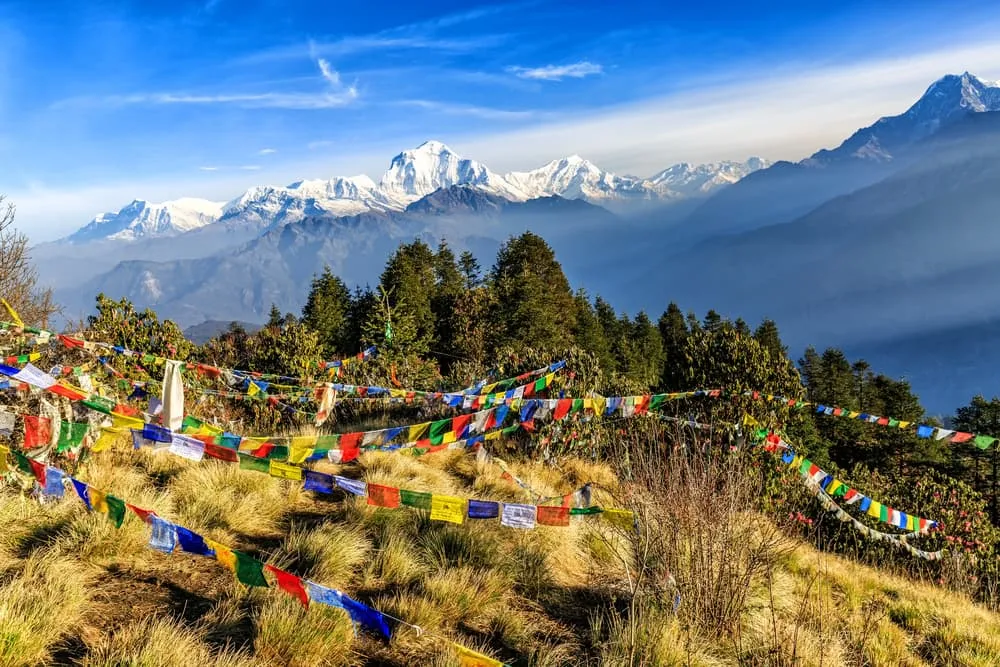
One of the most alluring aspects of the Manaslu Circuit Trek is its stunning natural beauty. Trekkers will pass through dense forests filled with rhododendron and oak trees, cross rushing rivers with suspension bridges, and witness awe-inspiring views of snow-capped peaks, glaciers, and alpine meadows. As the trek ascends, the landscape changes dramatically, and trekkers will be rewarded with breathtaking views of Mount Manaslu and its surrounding peaks, including Himlung, Cheo Himal, Kang Guru, and Annapurna II. The trek offers one of the most picturesque and unspoiled trekking experiences in the Himalayas, far from the hustle and bustle of the more popular trekking routes.
The trek also takes trekkers through the remote Nubri Valley, an area that remains largely untouched by modern development, preserving its traditional lifestyle and natural beauty. The valley is known for its ancient monasteries, terraced fields, and high-altitude pasturelands where local farmers tend their yaks and goats. This quiet, peaceful region provides trekkers with an intimate connection to the Himalayan wilderness.
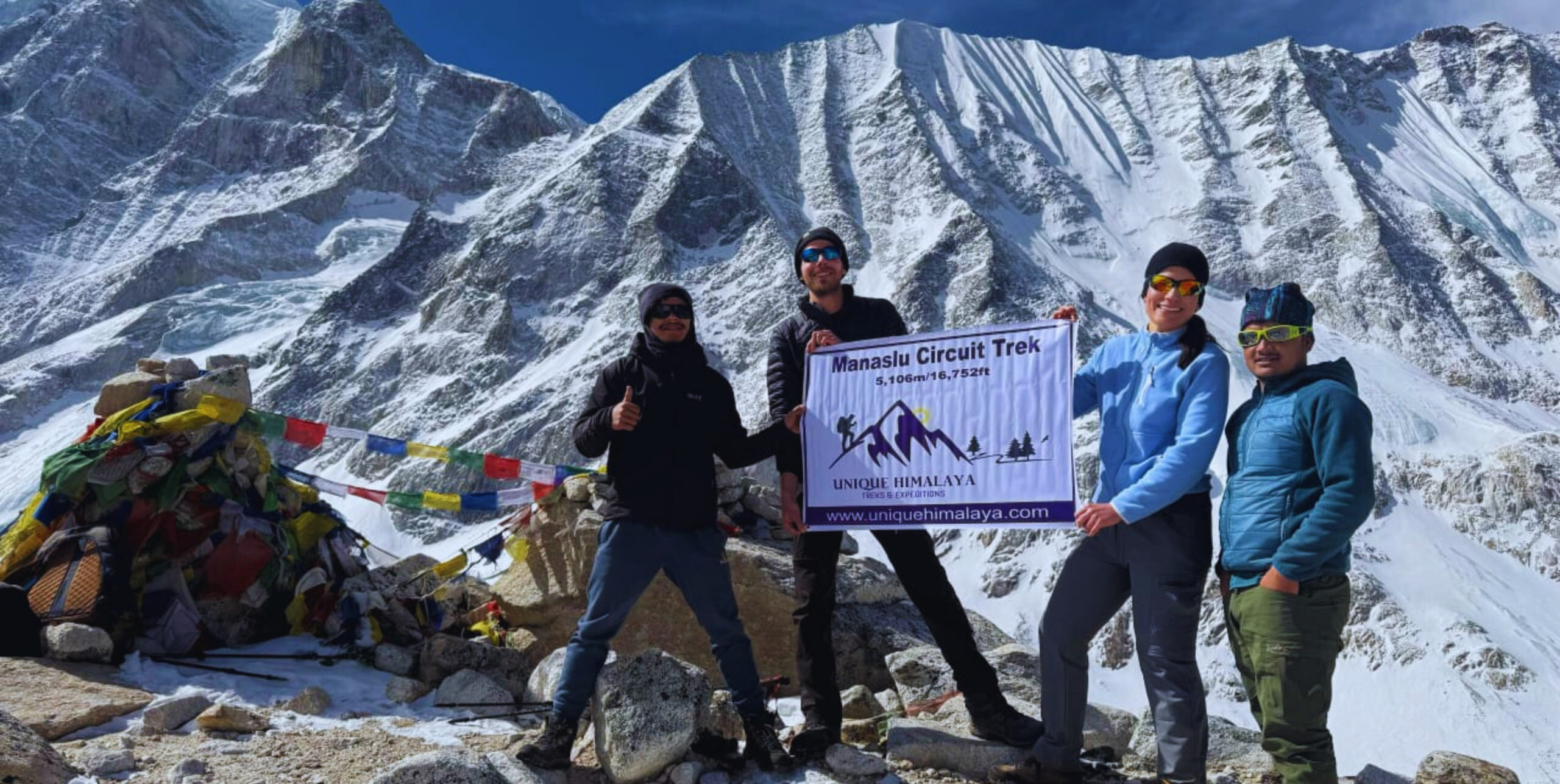
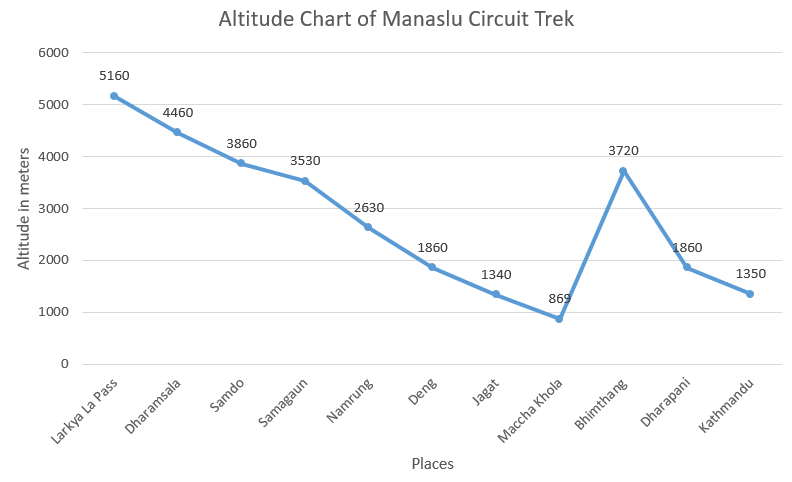
A defining feature of the Manaslu Circuit Trek is the challenging Larkya La Pass, located at an altitude of 5,160 meters. This high-altitude pass is one of the most thrilling aspects of the trek, offering jaw-dropping views of the surrounding mountain peaks, glaciers, and valleys. Reaching the top of Larkya La Pass is a physical challenge, requiring trekkers to be prepared for high-altitude conditions, but the reward is well worth the effort. From the pass, trekkers can enjoy panoramic views of some of the most spectacular peaks in the region, including Manaslu, Annapurna II, and Himlung Himal. The sense of accomplishment upon reaching the pass is one of the highlights of the trek, making it a memorable achievement for trekkers.
The Manaslu Circuit Trek is not only about stunning landscapes but also about the opportunity to experience the rich cultural diversity of Nepal. As trekkers move from the lowlands to the higher altitudes, they will encounter various ethnic groups, each with their own traditions, language, and customs. The lower hills are primarily inhabited by the Hindu Gurung and Magar communities, while the higher reaches are home to Tibetan Buddhists who follow the ancient practices of Tibetan Buddhism. Along the way, trekkers will have the opportunity to visit monasteries, chortens (Buddhist shrines), and gompas (monastic communities), where they can learn about the religious practices of the region.
Local hospitality is another highlight of the trek. The communities along the Manaslu Circuit are known for their warm and welcoming nature. Trekkers will have the chance to stay in teahouses and local lodges, where they can share meals with local families and learn about their daily lives. This cultural exchange makes the trek even more enriching and memorable, as it allows trekkers to experience the authenticity of the region firsthand.The Manaslu Circuit Trek, offered by Unique Himalaya Treks & Expeditions, is a journey of discovery, offering trekkers a chance to explore one of Nepal’s most pristine and remote trekking destinations. With its stunning natural beauty, challenging terrain, and rich cultural experiences, the trek provides a perfect blend of adventure, physical challenge, and cultural immersion. Whether you are a seasoned trekker seeking an off-the-beaten-path adventure or a traveler looking for a unique Himalayan experience, the Manaslu Circuit Trek promises an unforgettable journey through the heart of the Himalayas. Unique Himalaya Treks & Expeditions ensures that your trek is safe, enjoyable, and immersive, making it the ideal choice for those looking to explore the wonders of the Manaslu region.
Upon your arrival at Tribhuvan International Airport in Kathmandu, you will be warmly greeted by a representative from Unique Himalaya Treks who will escort you to your hotel. The first day offers an opportunity to relax after your journey and familiarize yourself with Nepal’s bustling capital. During the day, you will attend a comprehensive briefing session where the details of your trek will be discussed, and any remaining preparations, such as gear checks or permit arrangements, will be completed. Kathmandu, a vibrant city known for its rich history and culture, provides a fascinating backdrop as you begin your adventure. You might have time to explore the bustling streets of Thamel or visit nearby landmarks, but the primary focus will be on resting and preparing for the days ahead.
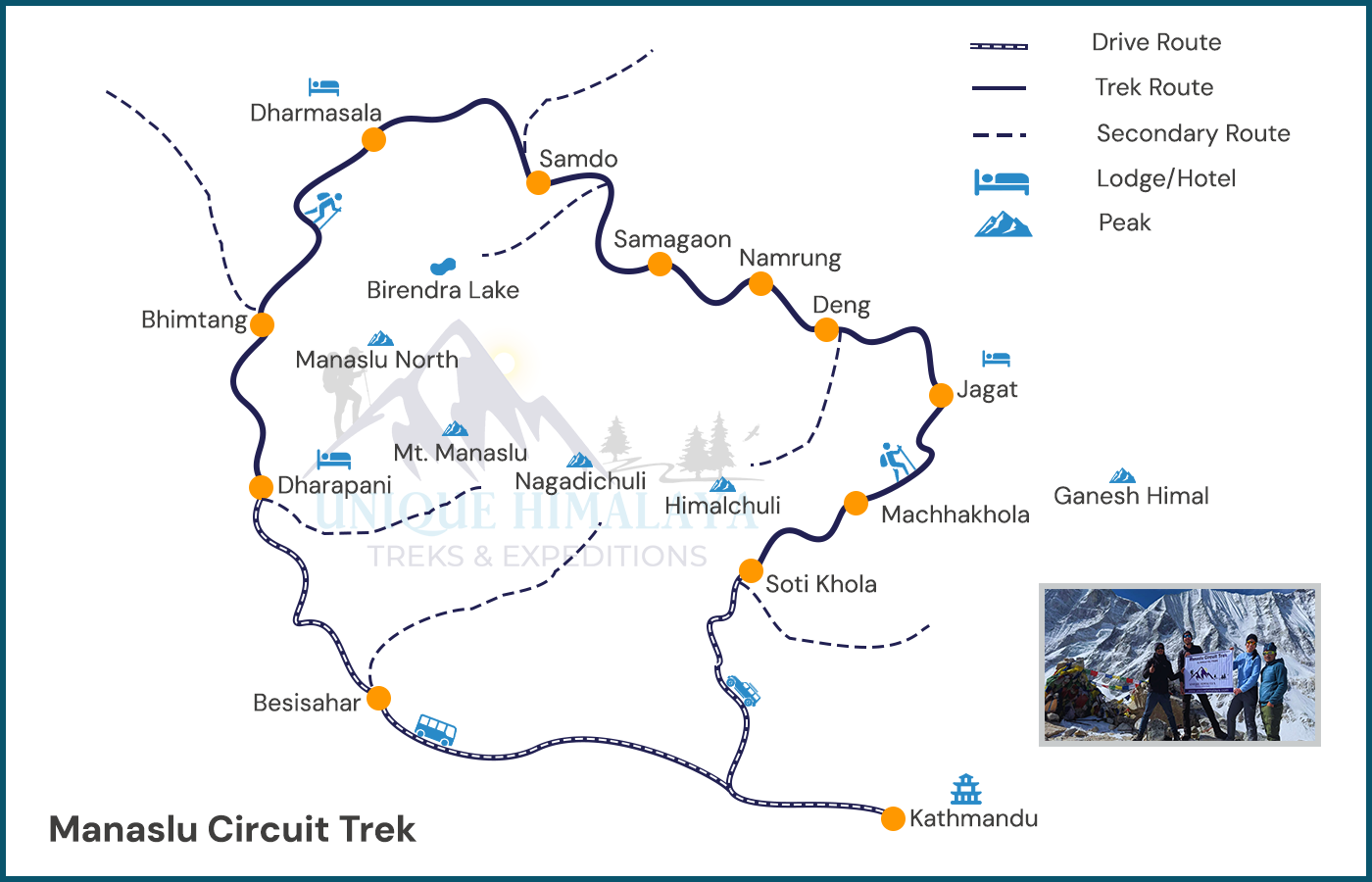
On the second day of your Manaslu Circuit Trek, you will take an 8-9 hour scenic drive from Kathmandu to Maccha Khola, covering around 160 kilometers. The journey begins early, offering stunning views of terraced fields, green hills, and local villages as you follow the Trishuli and Budhi Gandaki Rivers. The road transitions from smooth highways to rugged, off-road tracks after Dhading Besi, adding an adventurous touch. Along the way, you’ll stop for lunch at a local eatery before continuing through deep gorges and picturesque valleys. By late afternoon, you’ll reach Maccha Khola, a peaceful village at 930 meters, where you can relax by the river, interact with locals, and prepare for the trek ahead.
The journey from Machha Khola to Jagat is both scenic and culturally enriching, as you ascend through picturesque landscapes and charming villages. The trail follows the Budhi Gandaki River, leading you through lush vegetation, rocky paths, and terraced hillsides. You’ll cross suspension bridges and walk along stone-paved trails as you approach Jagat, a beautifully preserved village that serves as the gateway to the Manaslu Conservation Area. Jagat is known for its stone-paved lanes, traditional houses, and vibrant local culture, making it a highlight of the trek. The village exudes charm and offers trekkers a warm and welcoming environment to unwind after a day of walking.
The trail to Deng takes you deeper into the Manaslu region, offering a mix of natural beauty and cultural encounters. As you leave Jagat, you’ll pass through small settlements, terraced fields, and dense forests filled with rhododendrons and other native flora. The path involves crossing several suspension bridges over the Budhi Gandaki River, providing stunning views of the surrounding hills and valleys. You’ll gradually ascend into the higher-altitude region, where the Tibetan influence becomes more prominent. Deng, a quiet village surrounded by lush greenery, marks the end of the day’s trek and provides a tranquil atmosphere to relax and absorb the beauty of the region.
As you progress further along the trail, the landscape begins to change dramatically, transitioning from subtropical vegetation to more alpine terrain. The trek to Namrung is characterized by dense forests, gushing rivers, and glimpses of snow-capped peaks. Along the way, you’ll pass through traditional villages adorned with prayer flags, mani walls, and Buddhist chortens, reflecting the region’s strong Tibetan cultural heritage. The gradual ascent ensures plenty of opportunities to enjoy the stunning views and immerse yourself in the peaceful surroundings. Namrung, a picturesque village with a mix of natural beauty and cultural richness, serves as an excellent resting point for trekkers.
Today’s trek offers some of the most stunning landscapes of the Manaslu Circuit, as you ascend into the high-altitude region. The trail takes you through alpine meadows, rhododendron forests, and small settlements with traditional Tibetan architecture. As you approach Samagaun, the surrounding mountains become increasingly prominent, with Mount Manaslu providing a spectacular backdrop. Samagaun is one of the largest and most culturally significant villages in the region, offering a glimpse into the traditional lifestyle of the Tibetan-influenced community. Here, you’ll have the opportunity to explore local monasteries and enjoy the breathtaking views that surround the village.
To adjust to the increasing altitude and prepare for the challenging days ahead, you’ll spend a day acclimatizing in Samagaun. This is a perfect opportunity to rest and explore the village and its surroundings. You can take a leisurely stroll through the village, interact with the locals, or embark on optional hikes to Manaslu Base Camp or Pungyen Gompa. Both options provide spectacular views of Mount Manaslu and the surrounding peaks while helping your body adapt to the high altitude. This day ensures a safer and more enjoyable trek as you continue to ascend.
A shorter trek today ensures better acclimatization as you head to Samdo, a Tibetan village located close to the Nepal-Tibet border. The trail is gentle and scenic, offering panoramic views of the mountains and valleys. Samdo is a peaceful village with traditional houses, prayer wheels, and friendly locals. The rest of the day can be spent exploring the village or relaxing while enjoying the stunning mountain vistas.
Today’s trek takes you to Dharamsala, also known as High Camp, the staging point for crossing the Larkya La Pass. The trail gradually ascends through rugged terrain, offering stunning views of the surrounding peaks. Dharamsala is surrounded by towering mountains, creating a sense of anticipation for the next day’s adventure. You’ll spend the night here, preparing for the challenging pass crossing.
You will descend from Bhimthang to Dharapani, a journey through diverse landscapes and serene trails. The day begins with a pleasant walk through lush rhododendron and pine forests, accompanied by the soothing sounds of birds and the Marsyangdi River. Passing through picturesque villages like Karche and Goa, you’ll have opportunities to witness the traditional lifestyles of the local people. The trail offers glimpses of terraced fields, cascading waterfalls, and occasional mountain views as you trek to lower altitudes. After several hours, you’ll arrive at Dharapani, a lively village at 1,860 meters that connects with the Annapurna Circuit. This marks the conclusion of your trekking route, where you can relax and celebrate the completion of this incredible journey through the Manaslu region.
On the final day of your Manaslu Circuit Trek, you will bid farewell to the mountains and embark on a long drive from Dharapani back to Kathmandu. The journey begins early in the morning as you leave the tranquil village of Dharapani, traveling along rugged mountain roads with stunning views of hills, rivers, and terraced farmlands. The drive offers a mix of off-road adventure and smoother highways as you descend through the Marsyangdi Valley, passing charming villages and cascading waterfalls along the way. After several hours, the scenery transitions to urban landscapes as you approach Kathmandu. Upon arrival, you can check into your hotel and enjoy a well-deserved rest or explore the bustling city to reflect on the incredible journey through the Manaslu region. This day marks the end of your trekking adventure, leaving you with unforgettable memories of Nepal’s natural beauty and cultural richness.
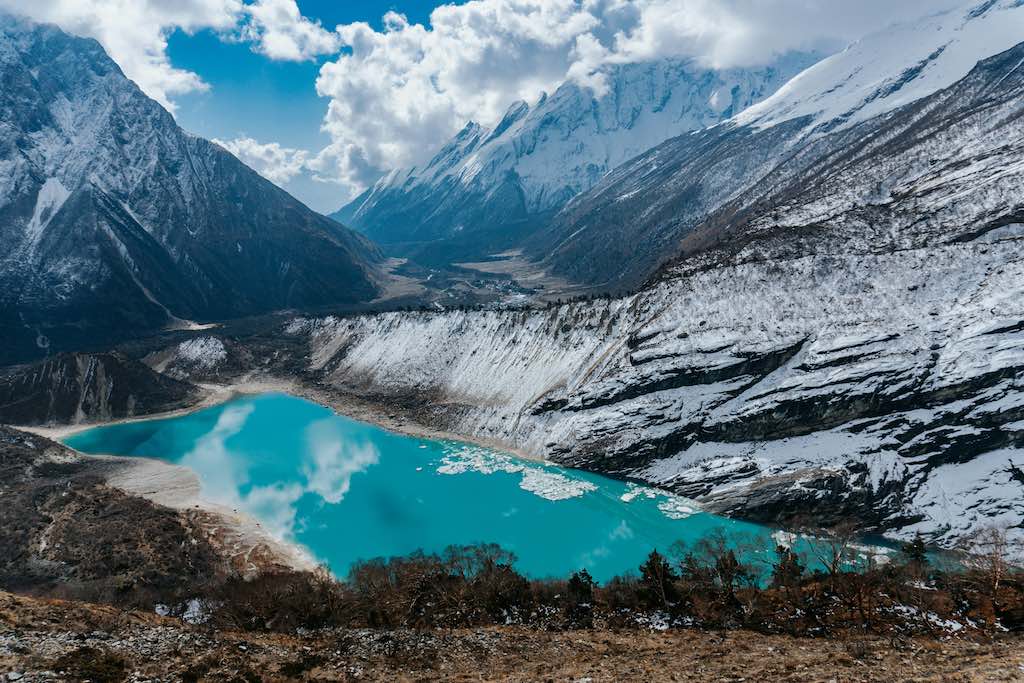
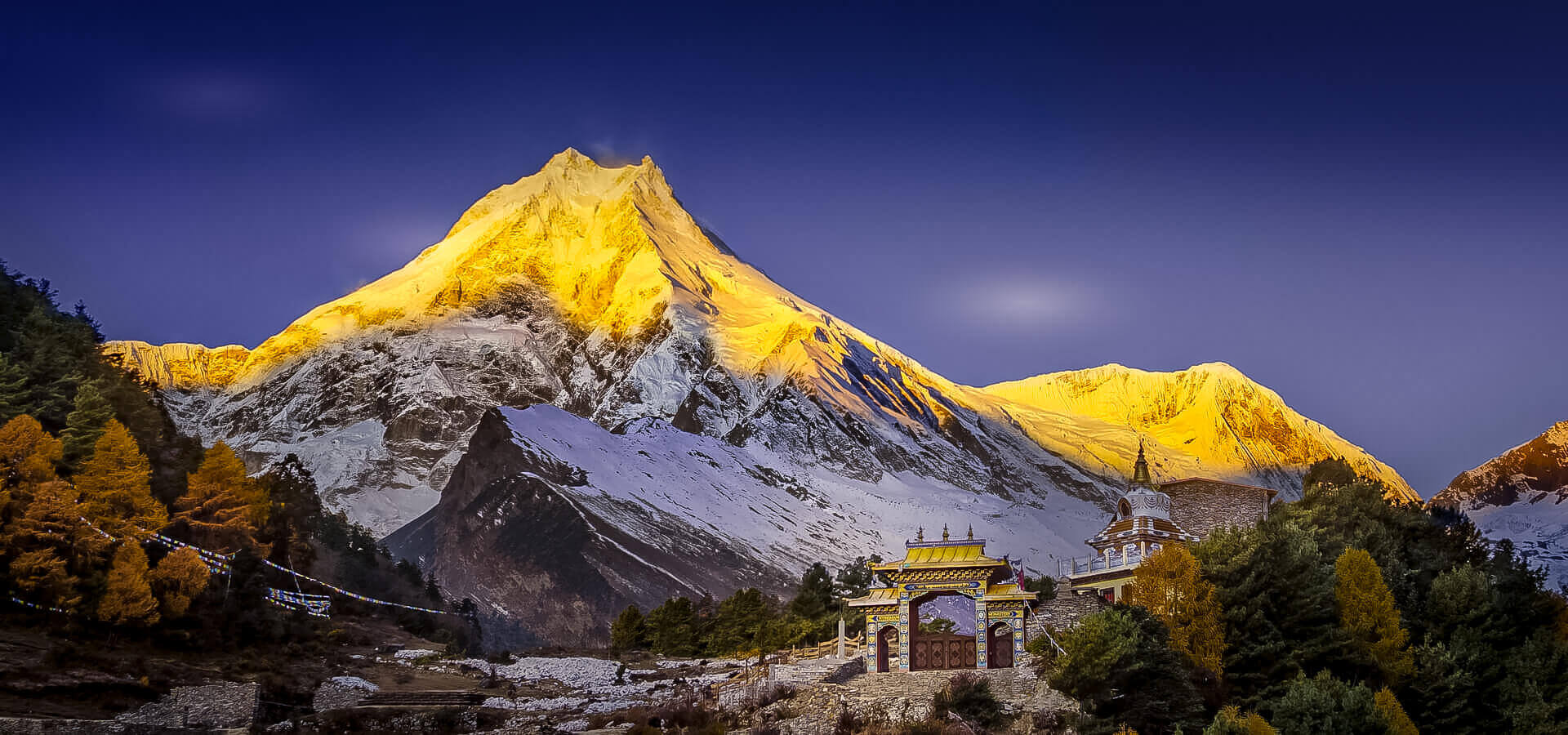
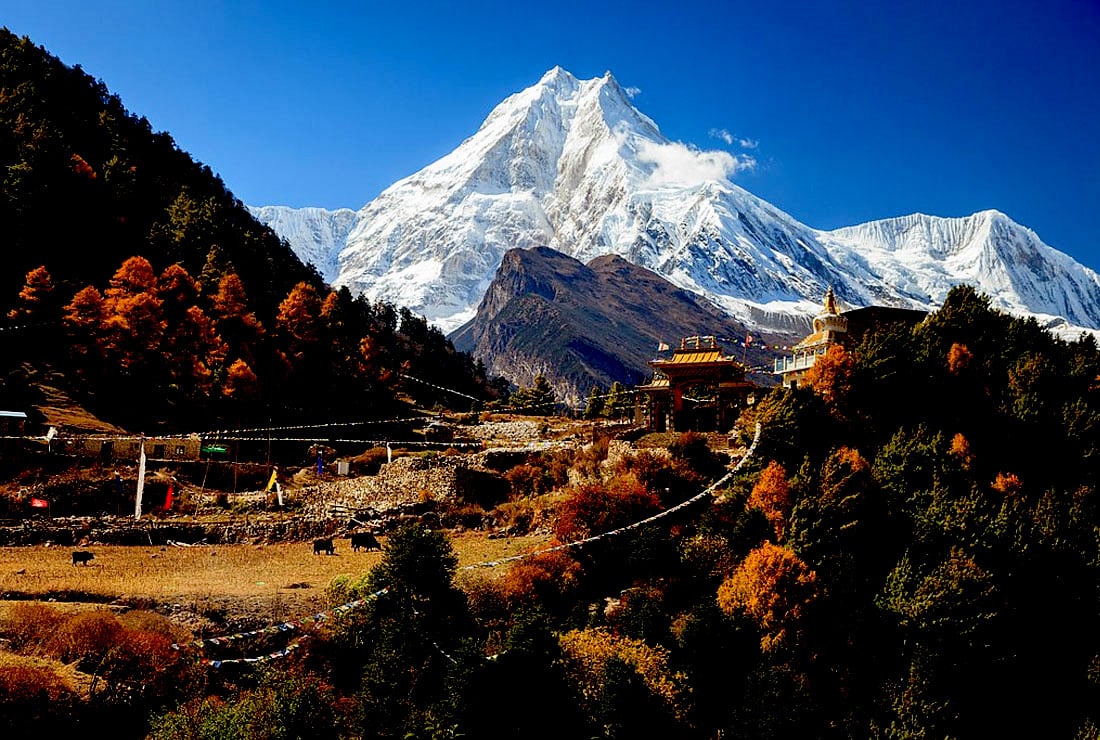
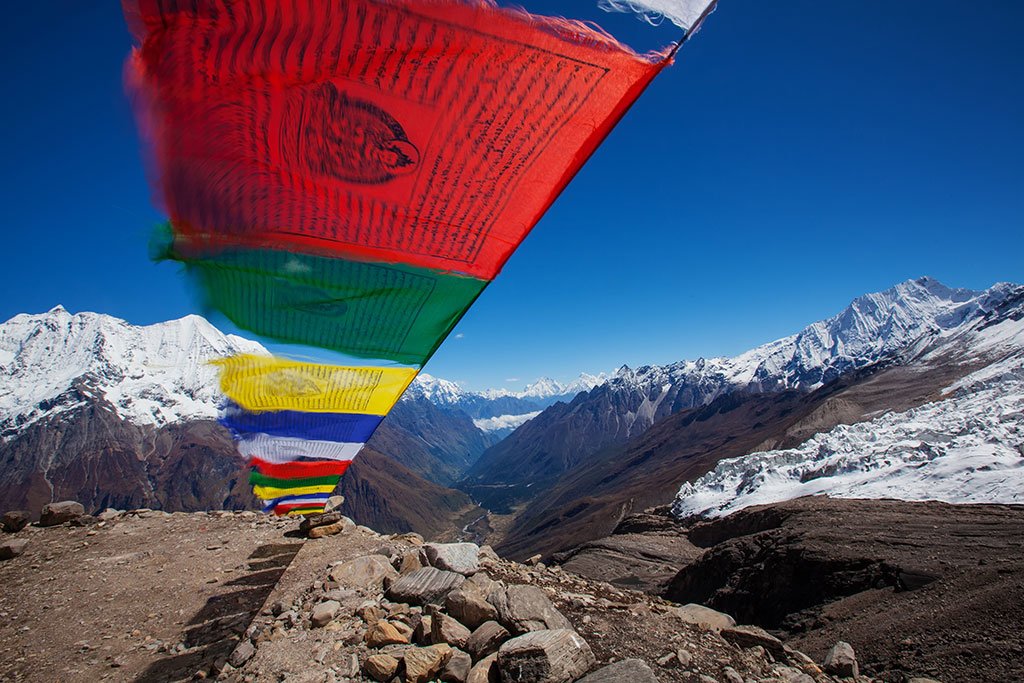
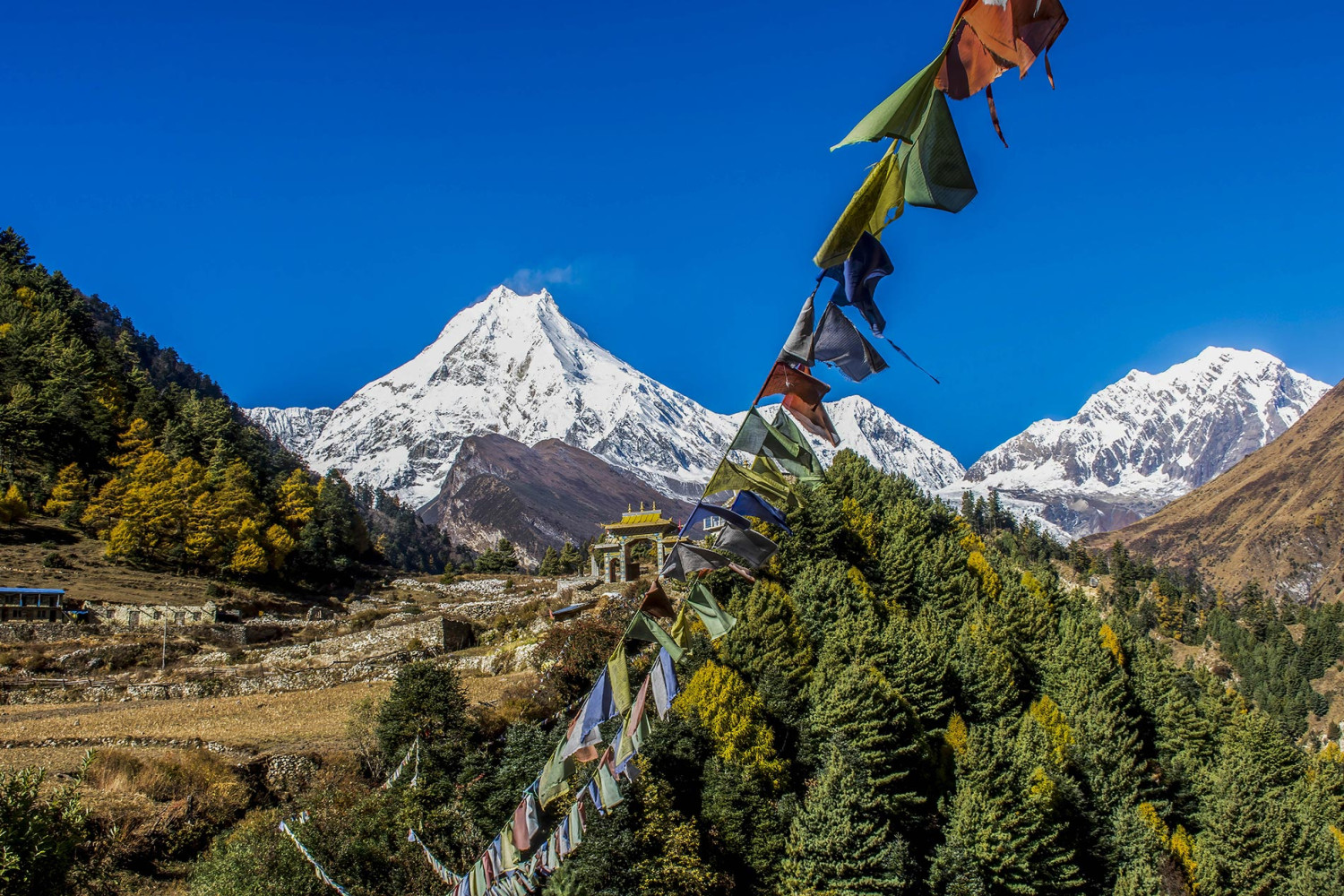
The route to the Manaslu Circuit Trek sits in Nepal’s restricted zones. It became open for visitors in 1991. Even if you had millions of dollars, you weren’t able to trek in this region before 1991. Only three regions in Nepal carry restricted area status. Manaslu, Upper Mustang, and Kanchenjunga carry special rules; Manaslu adds a full alpine circle. Everything else opens freely. These three stay protected, less known and less explored. Numbers of trekkers stay limited. And that limitation keeps something alive that other trails lost decades ago.
No busier route in Nepal matches this mix of gorge drama, million-dollar Himalayan panorama, and ancient isolated village life. You walk through mountain villages, alive with ancient traditions and old-age Himalayan ritual. You feel like entering a different Himalayan dimension, a loop to the past. You finish at Dharapani and tap the Annapurna network, two classic region in one trip. You circle the earth’s eight highest peaks, Manaslu, with a bunch of other snow-capped giants.
Forget what you know about Nepali culture. This region plays by different rules. Nubri and Tsum valleys sit tucked behind Manaslu’s bulk. Geographic isolation created cultural preservation. What you find here exists nowhere else in exactly this form. The Tamang and Gurung communities populate the lower sections. Buddhist traditions mix with older animist beliefs. Shamans still practice. Mountains carry names and personalities. Rituals still invoke local spirits.
Marriage customs here will surprise you. Polyandry still exists in some families. One woman and multiple husbands. Brothers, all from the same household, marries to same one girl. If a family has 5 sons, all of them marry a single girl and she will bear children for all of them. Funeral traditions differ, too. Sky burials happened traditionally. Bodies are offered to vultures on high rocks. Returning flesh to the cycle. Returning bone to the mountain. Some areas still practice this. Others shifted to cremation.
You can be a part of a rare Himalayan culture that only less than 30% of trekkers have experienced, unlike any guidebook describes fully.
The difficulty level of the Manaslu Circuit trek is marked as moderate to challenging, but very doable when you respect altitude, eat well, hydrate, acclimatize, and keep your pack light. The highest altitude you will gain is 5,160m while crossing Larkya La Pass. That’s higher than any peak in Europe. Higher than most humans ever stand in their entire lives.
The challenging parts come from three factors: altitude. duration and remoteness. The trails themselves remain rough in sections. Rocky paths. Steep climbs in high altitude terrain. Most days demand 5 to 7 hours of walking, depending on your itinerary and pace. None of this makes the trek impossible. The infrastructure challenges add to the adventure. Instead, it makes the trek real and authentic. With good pacing, warm layers, proper acclimatization, and an early start on pass day, the challenge feels confident and deeply rewarding. Plan well, walk steady, and you’ll finish proud and strong,
The trail to the base of the world’s eight highest peaks is less explored and more remote than famous alternatives. Langtang has been rebuilt with modern amenities after the earthquake. Everest Base Camp trail offers luxury teahouse stay, attached bathrooms, and hot showers at many stops. Manaslu hasn’t followed that path. Manaslu circuit trek is one of the very few treks in the entire earth, where you can experience real, authentic Himalayan culture. You experience something rare. You experience trekking as it existed before comfort became an expectation.
Yes, first-time trekkers can complete it with the right plan, proper acclimatization, and support. A 3-5 week prep of regular walks, stair climbs, and a few longer back-to-back days builds the engine you need. Even people who never trekked before have completed the Manaslu circuit trek.
You will be provided with the company’s duffel bag. You can load it with equipment and essentials for your Manaslu Circuit Trek. Your porter will carry it for you. Your porter will carry a maximum weight of 25 kg along with duffle bag. You get a local guide who was born on the same trails you walk. With proper planning, a trusted companion, a porter to ease your load, proper acclimatization, slow and steady pace, even a first-time and beginner trekker can complete the Manaslu Circuit Trek easily.
September to November is the classic best of all time, and March to May is the other best season for the Manaslu Circuit Trek. But, Manaslu doesn’t really have a single winner. Each season carries its own magic. Every season reveals a different magical mood of Manaslu region. It’s on you to choose which mood of Manaslu you want to see.
Manaslu circuit trek in Autumn (September–November)
Manaslu Circuit Trek in Spring
Manaslu Circuit Trek in Winter
Manaslu Circuit Trek in Monsoon
So, the best season for Manaslu Circuit Trek? It’s all up to you, which mood of the Manaslu you want to explore. Pick autumn if you want the classic: sharp views, steady weather, and a confident pass day. Pick spring if you love flowers, wildlife moments, and soft light on big faces. Pick winter if you crave silence, extreme solitude, frozen silence and a focused, peaceful challenge. Pick Monsoon if you want to see the greenest version of Manaslu, with empty trails and moody changing skies.
Manaslu circuit trek feels like walking in the past at older Himalayan trail. The culture here is rare, quiet, and less touched by mass trekking. Isolation shapes everything you see and everything you stay in. Teahouses are simple because the trail is still rural. Facilities are lower than on Nepal’s more developed routes. That’s exactly why the experience feels real. Rooms are basic but warm and cozy. You come for an authentic, almost ancient feeling that lingers. The villages give a kind of traditional life that crowded treks can’t offer anymore.
The Tamang and Gurung families run most teahouses you’ll find here. The same bloodline has been running things for generations. The traditional teahouse along the trail represents their old age Himalayan culture. The attached bathroom may not be available on higher altitudes. Wi-FI slows down with the altitude. Because there are few tea houses on the trail, pre-booking must be done in peak season. The local people of the tea house treat every trekker as their own part of the family. You sleep where ancient traditions breathe.
Staying here means watching real Himalayan life unfold. This experience is what other treks can’t give you anymore. That feeling of being somewhere truly far away. Few trekkers. Few lodges. Manaslu stayed hidden. Roads never came. Modernization skipped these villages. Ancient rhythms guide daily life. Everything remained frozen in time.
Food on Manaslu feels unique, traditional, and mountain-made. You can get both western foods like burgers, pizza to traditional, authentic Himalayan foods like Tsampa, Thukpa, Sherpa Stew, Yarshagumba, Sea buckthorn juice, and many more. Thukpa, Classic Dal Bhat, and Sherpa Stew are regular comfort meals.
Manaslu is remote and still feels untouched. Food costs rise as you go higher. Prices climb with altitude for a practical reason, not a tourist reason. Road access is limited once you move beyond the roadheads. Supplies are carried by mules and by people. That transport adds cost to every can, sack, and packet. labor raises the cost of every ingredient.
Eating meat is restricted and remains limited here. Buddhist beliefs run deep in these valleys. Taking animal life brings bad karma, and slaughtering is restricted. Most families avoid it. Many teahouses keep the menu mostly vegetarian. You’ll eat vegetarian food mostly. It actually feels lighter and healthier for trekking.
Is Wi-Fi available on the Manaslu Circuit trek? Is there an electricity supply up at the higher altitudes of the Manaslu region? These are some of the popular question that arises when we think of trekking in the Manaslu region.
Yes. Wi-fi exists in the Manaslu region, but manage expectations. Manaslu is remote in the truest sense. Lower villages get decent signals. Signal, speed, and uptime change village to village. Solar panels power most lodges. That also means electricity can be limited. The service gets weaker higher up, and solar-powered electricity limits how long routers can stay strong. Bringing a high-quality power bank is highly recommended. Charging your phone may cost extra. Wi‑Fi access may also cost extra. Expect a few hundred Nepali rupees in some places.
With Unique Himalaya Treks and Expedition we turn the Manaslu Circuit from a route into a revelation—crafted with devotion, perfected by experience, and delivered with the calm confidence of a team that lives this trail.
Our core team? Most of them are from the Gorkha district. Born and raised. The Manaslu region? It’s our home. Most of our professional guides come from Gorkha, Manaslu region. We didn’t learn about these mountains from guidebooks. We learned by walking barefoot as kids, helping our parents carry supplies, and watching the seasons change year after year.
Your Money Stays in the local Villages where you trek
Trekking with the unique Himalayas Treks and Expedition is different. Every penny circles back to local communities. We donate a small amount to local communities, so your booking becomes support beyond the trekking season.
Our porters are local men of Manaslu feeding their families. Our teahouse stay supports local owners struggling to make ends meet. You benefit from trekking with a company that’s invested in local wellbeing, because responsible tourism keeps the trail strong for the future.
We run donation programs in the Manaslu region, providing school supplies, warm clothes for winter, and some medical assistance, so your travel can leave something practical behind.
Manaslu Circuit is Our Specialty
Sure, we organize treks across Nepal. But Manaslu? That’s our home, so planning Manaslu for us is family land, planning home terrain, not just a trekking destination. We mainly organize the Manaslu Circuit Trek, so your schedule is built around what works specifically for Manaslu’s altitude, terrain, and weather patterns.
We provide you with local professional Guides and local porters.
We work with local porters, so your trek directly supports families along the Manaslu corridor through fair, meaningful work. That village connection helps you receive better cooperation on the trail, because we know the lodge families, the shop owners, and the people who manage local services. You get a local guide, who was born in the same trails that you will walk. You get a porter team that knows the steep sections, the windy valleys, and the best pacing for high days.
The same trusted team for peak climbing, too.
If you want to go beyond trekking, we also organize peak climbing, including Lobuche Peak, Mera Peak, and other high Himalayan giants. You benefit from one team that can handle both trekking logistics and climbing-focused planning, so your transition to higher goals is simpler.
We ensure your safety first, with 24-hour emergency readiness.
We run every trek with safety first, so your guide’s priority is your health and stability rather than finishing fast. You benefit from close monitoring of altitude symptoms because our guides manage pace, hydration reminders, and daily condition checks as part of normal guiding. You get extra security through our 24-hour active emergency facility, because support is organized for urgent situations as well.
Our local network solves problems faster on the trail
We know local contacts along the route, so communication stays practical when the weather shifts or plans need adjustment. You waste less time because we can coordinate quickly for accommodation, trail updates, and day-to-day logistics.
You get to experience the old age Himalayan culture of Manaslu in deep. You feel more relaxed because your trek is managed by people who can handle the small details quietly before they become big issues.
Extra care for children and older trekkers
If your group includes children or older family members, we organize with more attention, more breaks, and smarter daily targets. You benefit from a style of guiding that watches energy levels early, so small problems don’t become big ones. You also get a team that takes responsibility for comfort—because a family trek should feel safe, not stressful.
Guided Private Trek or Guided Group Trek? You Call
Some people want solitude. We organize private treks for people who want flexibility, solitude, and a schedule shaped around their pace. We also organize group treks for trekkers who want shared energy, reliable structure, and better social moments on the trail. We organize both private and group treks depending on what feels right for you. You benefit either way because we keep the organization tight, the communication clear, and the daily plan realistic.
Acute Mountain Sickness (AMS) can happen to anyone above roughly 2,500 m, even if you’ve trekked before, because acclimatization depends on time and individual response rather than experience alone. The maximum elevation you will gain is around 5,160 meters. Your body simply needs a few days to learn how to work in thinner air. Altitude affects everyone differently. We need to respect altitude and mountains while trekking. Himalayas don’t judge you by your experience. No one is a professional or a beginner in the Himalayas. Himalayas respect those who respect them.
There is one universal rule of the Himalayas. Climb High, Sleep Lower, because a higher daytime walk with a lower sleep supports adaptation without overloading your night. Your body actually knows how to handle thin air. It just needs time. Red blood cells multiply. Breathing patterns shift. Heart rate adjusts.
Your guides for the Manaslu Circuit trek? They grew up right here in Manaslu, Gorkha district. The trails you walk in are their homelands. We provide you with an assistance guide if the group’s number is high.
You get the best guides of the Manaslu region, who got proper training too. Wilderness first aid certification. High altitude medical courses and others. So they know the science behind what’s happening in your body, and they know the practical fixes that actually work out there, where hospitals don’t exist.
Tips for altitude sickness on the Manaslu Circuit Trek
Altitude Sickness can be dangerous, but it’s avoidable. And with proper planning, proper acclimatization, and the right team walking beside you, it becomes just another small chapter in an incredible adventure story.
How fit you need to be for Manaslu Circuit Trek? You need moderate fitness. Your body adapts surprisingly fast once you’re out there. You don’t need athlete level of fitness for Manaslu Circuit Trek. Somewhere comfortably in between works perfectly fine.
The highest elevation gain is at Larkya La pass, at 5,160m. That’s higher than Mont Blanc, the tallest peak in Western Europe. But, it is very much doable and easy if you follow rules of the Himalayas. There is no technical climbing or no ropes hanging off cliffs. The only challenge is its high altitude Himalayan terrain and altitude. You need mental patience for slow alpine days. You need respect for altitude which means listening when your body asks for rest. Trust your guide’s experience and advice. The Himalayas test your attitude more than your fitness
The secret isn’t being super fit before you start. The secret is preparing smart and respecting the altitude once you’re there. The biggest fitness test on Manaslu is consistency: you have to walk 4-6 hours sometimes, depending in your itinerary on high altitude Himalayan trail. You don’t carry heavy loads. Our porters handle the big duffle bags for you. You walk with just a light daypack carrying water and snacks and camera. People with good fitness in their sixties complete the Manaslu Circuit Trek regularly with descent preparation and deep care.
With proper planning, proper acclimatization, porters to carry weight about 20-25kg max and professional experienced local guide, even a beginner with moderate fitness level can easily complete the Manaslu Circuit Trek. Many first-time trekkers did well here because they prepared in simple ways, walking often, climbing stairs, and light exercise, respecting the rules of altitude.
Other trekking companies in Nepal offer Manaslu as just another item on their menu, one trek among fifty others. Everest Base Camp or Mardi Himal trek gets the spotlight in other companies. We operate throughout Nepal. We do run EBC, ABC and all the popular routes that travelers request. But Manaslu? It is the land where our core teams are born and raised. We do things differently at Unique Himalayas Treks and Expedition.
Most of our team, porters, and guides are born in the Manaslu region, Gorkha district. This changes everything about your trek, honestly. You will get a professional guide, born in the same high Himalayan trails that you will journey through. The porter carrying your bag? His grandmother probably still lives in one of those stone houses you’ll pass. The tea house owner serving you traditional Himalayan foods? Could be your guide’s cousin or relatives.
Hidden viewpoints that don’t appear on any map? Our guys know them all. Shortcuts that save energy on tough days? Been using them since childhood. Best spots to watch sunrise over Manaslu peak? They’ll wake you up early and take you there personally. Cultural immersion goes way deeper when your guide actually belongs to the culture. Festivals make sense when explained by someone who celebrated them growing up. Local customs and traditions feel less strange when your guide’s own family follows them.
let’s talk about safety first, especially for families with older people and children. Our professional trekking guides have invested serious time in professional training that most trekking companies skip entirely. Some have Wilderness First Aid certification. Wilderness first responder training. Some with High altitude medical courses, designed specifically for mountain emergencies. Search and rescue awareness programs. Disaster risk management training and others.
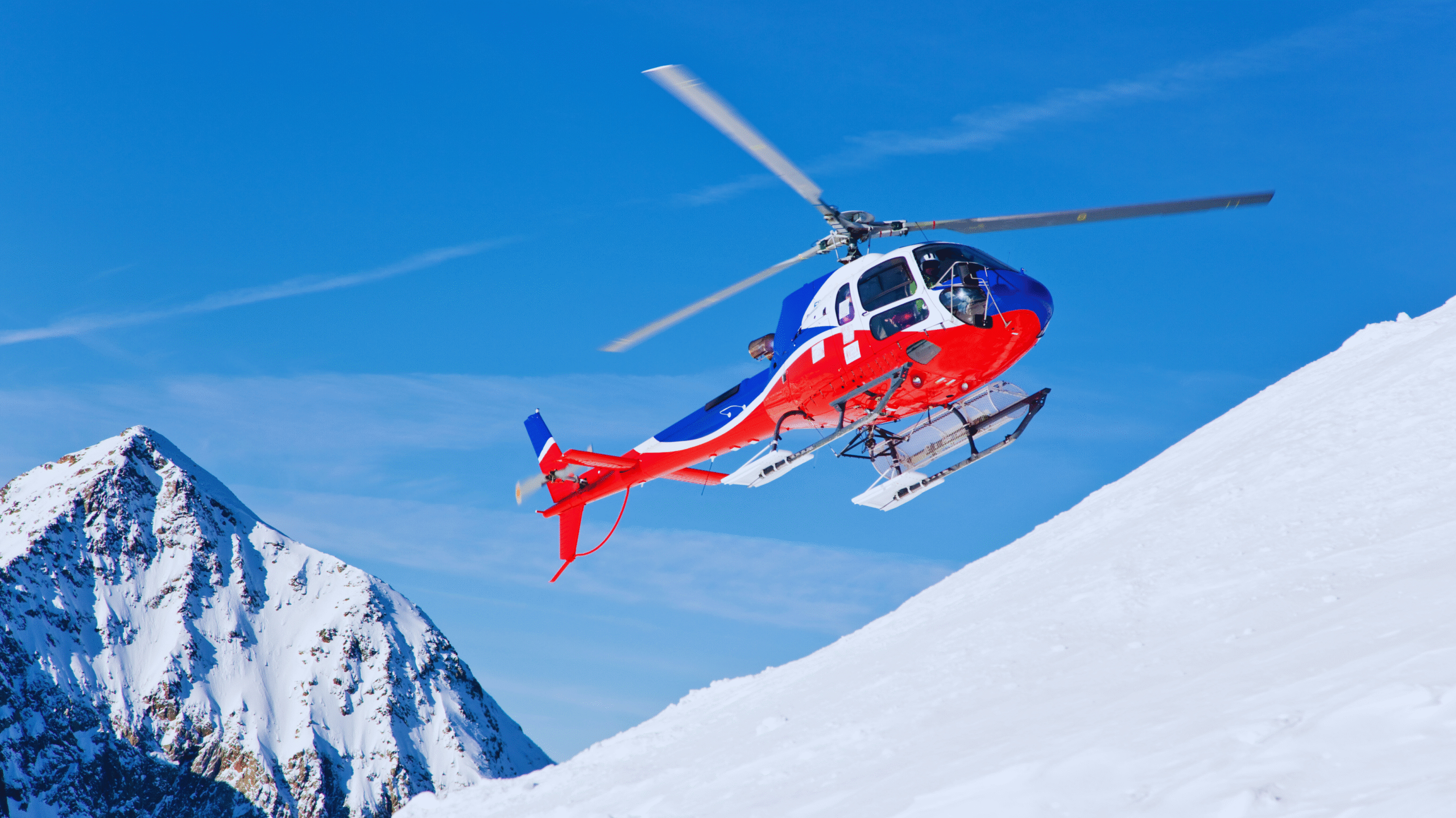
Those are real skills that matter when something unexpected happens at 4,500 meters with no hospital anywhere nearby. Trekking with older family members? Bringing kids along? We adjust pace and schedule around their needs. Our guides watch energy levels constantly. Daily distances get shortened and acclimatization days get added if needed. We ensure Helicopter evacuation contacts stay ready 24 hours if situations demand it.
Your safety is protected by trained professionals who call Manaslu their homeland. Your experience gets enriched by genuine locals. This is why our Guided Manaslu Circuit Trek is different than other trekking and tour operators.
Travel insurance for the Manaslu Circuit is the unglamorous item that makes the whole trek feel lighter, more comfortable, and safer. Manaslu is a remote Himalayan route with a high pass day. The highest altitude you gain is while crossing Larkya La pass at 16,929 feet, so insurance matters here. You can’t get access to trek in the Manaslu region if you don’t have travel insurance.
I saw something on Larkya La Pass a few years back that made me understand why insurance matters out here. A pregnant local woman suddenly needed medical help near the top of the pass. Walking down from 5,000 meters takes time, even for fit trekkers. When emergencies happen, helicopters become the only realistic option, even for the locals. Sometimes, foreigners face the exact same reality on these trails.
The difference? Foreigners can buy insurance beforehand that covers those evacuation costs and others completely.
A solid policy protects your trip investment. Most regular travel policies won’t touch you above 4,000 meters. But trekking to 5,160 meters at Larkya La? That’s a specialty restricted territory requiring specialty coverage. The travel insurance must have proper coverage designed for people doing adventurous things in the high Himalayas, far from hospitals.
Save your policy number, emergency hotline, and assistance instructions on your phone. Email yourself all policy documents. Print a paper copy of each document for your daypack, too. Share those details with your guide while he gives a briefing.
Permits Required for Manaslu Circuit Trek